


















Should I Become a Professional Photographer? What You Need to Know Before You Start
Aug 21, 2026
Leonard Skapp
Alex Baker is a portrait and lifestyle driven photographer based in Valencia, Spain. She works on a range of projects from commercial to fine art and has had work featured in publications such as The Daily Mail, Conde Nast Traveller and El Mundo, and has exhibited work across Europe
Share:
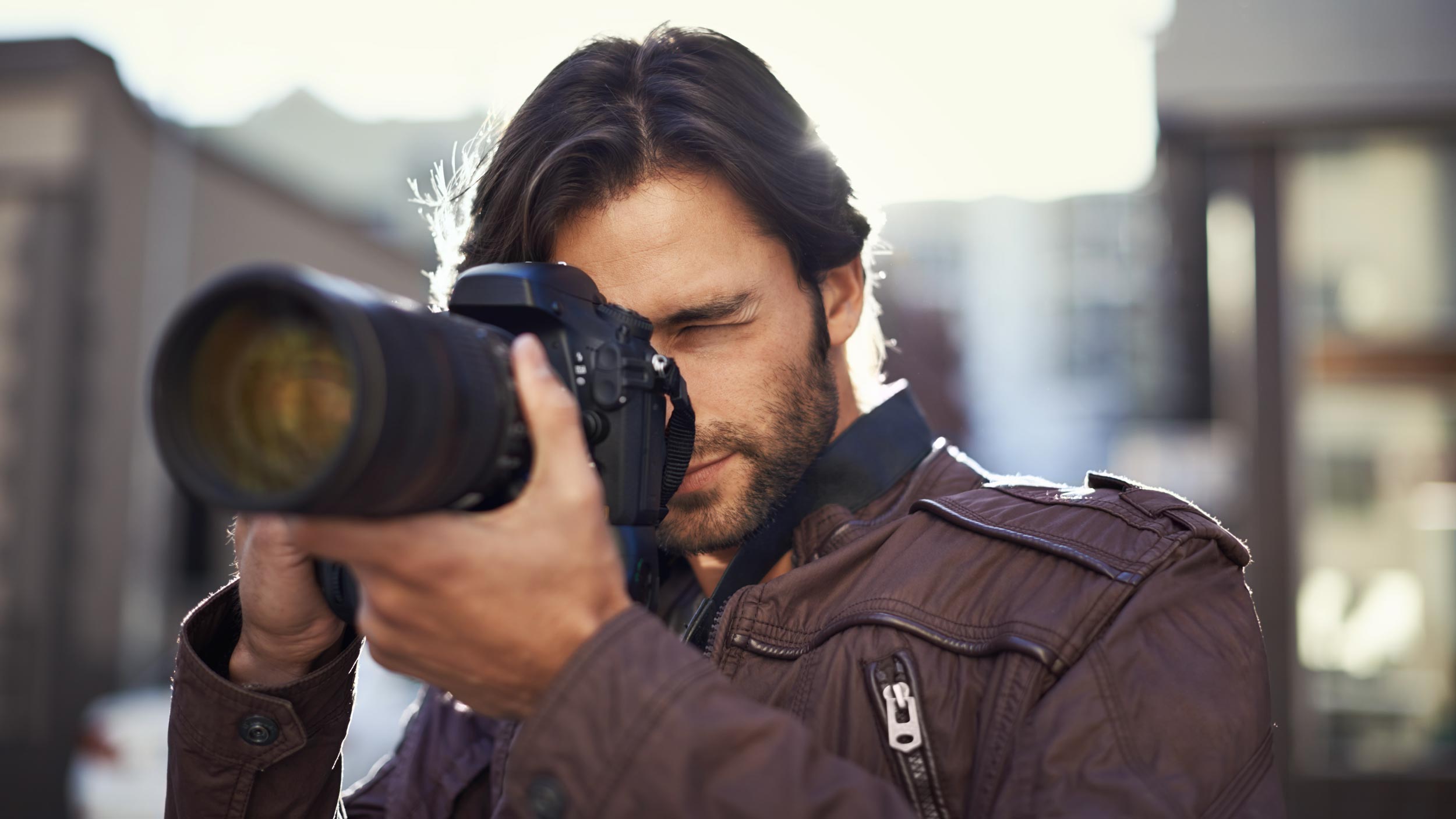
Should you become a professional photographer? Maybe. But before you quit your day job, buy a £5,000 camera and announce on Instagram that you’re “following your passion”, there are a few things worth thinking about.
Being a professional photographer can be an incredibly rewarding career. You get to make photographs for a living, work with interesting people, travel in some jobs and spend your working days doing something creative. But being good at photography is only one part of making a living from it.
Do you actually want to be a professional photographer?
This sounds obvious, but it’s worth asking. There’s a big difference between loving photography and wanting photography to be your job. When photography is your hobby, you can pick up your camera whenever you feel inspired. If the weather is terrible, you can stay home. If you don’t like a particular assignment, you don’t have to do it.
When you’re a professional, the client doesn’t particularly care whether you’re feeling inspired. You might have to photograph a corporate conference in terrible lighting at 7am on a Monday morning, edit hundreds of nearly identical product photographs, or spend an entire afternoon taking pictures of something you personally find spectacularly boring.
That’s part of being a professional. You don’t just photograph what you like. You photograph what people are willing to pay you to photograph.
You need to be good at photography
This probably sounds rather obvious, but becoming a professional photographer isn’t a shortcut to getting better at photography. You need to understand your camera and be able to produce consistently good images rather than occasionally getting lucky. You should be comfortable with exposure, focus, composition, lighting and whatever specialist skills your chosen genre requires.
You don’t need to know absolutely everything before taking your first paid job, but you should be confident that you can deliver what the client has paid for.
If you’re still regularly wondering why your photographs are blurry, becoming a professional photographer might be slightly premature.
Choose a type of photography
You don’t necessarily have to specialise immediately, but it helps to have some idea of what kind of photography you want to make money from.
Wedding, portrait, commercial, product, food, real estate, fashion, sports, wildlife and event photography all have very different requirements.
You might discover that the type of photography you love doing isn’t the type that makes the most sense commercially. That’s fine. You can keep one as a hobby and build your business around another.
You can also change direction later. Plenty of photographers start in one genre and eventually move into something completely different.
You need a portfolio
Before someone hires you, they generally want to know what you can do. That’s where your portfolio comes in. It should contain your strongest and most relevant work, rather than every photograph you’ve ever taken.
If you want to become a wedding photographer, show wedding photography. If you want to shoot products, show products. A client looking for commercial food photography probably isn’t particularly interested in seeing 47 photographs of your cat, however artistically lit. Your portfolio is essentially your shop window, so make it good.
You also need to learn business
This is the part that surprises a lot of aspiring professional photographers. You aren’t just becoming a photographer. You’re potentially becoming a small business owner.
That means dealing with pricing, contracts, invoices, taxes, insurance, marketing, social media, websites, enquiries, client communication, accounting and all the other glamorous things that happen when you decide you would like to be paid for your creative work.
You can be an extraordinary photographer and still run a terrible photography business. Learning how to actually make money from your photography is just as important as learning how to make the photographs.
You don’t need the most expensive camera
Please don’t fall into the trap of thinking you need a new camera before you’re ready to go professional. You need equipment that can reliably do the job you’re being paid to do. That might mean investing in professional equipment eventually, particularly if you’re shooting weddings, sports or commercial work, but buying the latest camera isn’t a business plan.
In fact, one of the best things you can do before spending thousands on new gear is work out what your clients actually need. If your current camera can produce the photographs you’re selling, keep using it.
Start before you quit
If possible, start building your photography business while you still have another source of income. Take on small jobs. Photograph friends and family. Assist established photographers. Second shoot weddings. Build your portfolio. Learn what clients actually expect and work out how much time different jobs really take.
This gives you a chance to discover whether you actually enjoy professional photography before you make it responsible for paying your mortgage. It also gives you time to build a reputation and a client base.
You will probably work more than you think
One of the biggest misconceptions about professional photography is that you spend your days taking photographs. You do take photographs, obviously. But there can be a surprising amount of work before and after the actual shoot.
A wedding photographer might spend hours answering enquiries, preparing equipment, photographing the wedding, backing up files, editing hundreds of photographs, designing an album and delivering the final gallery.
A commercial photographer might spend days planning a shoot, communicating with a client, organising equipment, arranging models or locations, shooting, editing and dealing with usage rights. The actual time spent pressing the shutter can be a relatively small part of the job.
Can you make a living as a photographer?
Yes, but it isn’t easy and there isn’t one standard path. Some photographers run successful businesses shooting weddings or portraits. Others work commercially for brands and agencies. Some work in newspapers, magazines or publishing, while others make money from licensing images, selling prints, teaching, creating content or a combination of several income streams.
You don’t necessarily have to make all your money from taking photographs either. Photography businesses can include education, workshops, presets, books, YouTube channels, content creation and other related work. The more flexible you are about how you earn money from your skills, the more opportunities you may find.
So, should you become a professional photographer?
If you love photography, are willing to keep learning, enjoy working with people and are prepared to deal with the business side of things, then yes, it could be a fantastic career.
But don’t become a professional photographer simply because you think it means getting paid to travel around taking beautiful photographs all day.
The reality involves invoices, emails, taxes, difficult clients, broken equipment, early mornings, late nights, editing, marketing and occasionally spending three hours photographing something that looks considerably less exciting through a camera than it did in real life.
There are easier ways to make money. But if you genuinely love photography and you’re good at what you do, there are also few things more satisfying than making a living from something you’re passionate about.
Key takeaways
You don’t need to be the world’s greatest photographer before you start charging for your work, but you do need to be competent enough to consistently deliver what your clients are paying for.
Build a strong portfolio, choose the type of photography you want to pursue, learn the business side and start small if you can. Don’t spend thousands on equipment before you’ve established that people actually want to pay you for your work.
Most importantly, remember that being a professional photographer means being a professional. The photographs are only one part of the job, and sometimes the less glamorous parts are what determine whether your photography business succeeds or fails.
See more from DIYPhotography.net on Google
Add DIYPhotography.net as a trusted source. This makes
our stories more likely to appear in your Google Search results.
 Add as a preferred source on Google

About Leonard Skapp
Leonard “Len” Skapp is a photographer with a particular interest in cameras, lenses, accessories, camera bags, lens filters, tripods, camera straps, and, on rare occasions, photography itself. Equal parts reviewer and enthusiast, he enjoys digging into the technical details behind the latest gear and translating them into plain English for fellow photographers. He maintains that every purchase is a carefully considered investment, although his bank account and overflowing camera cupboard continue to dispute this claim.
We love it when our readers get in touch with us to share their stories. This article was contributed to DIYP by a member of our community. If you would like to contribute an article, please contact us here.


Join the Discussion
DIYP Comment Policy
Be nice, be on-topic, no personal information or flames.