




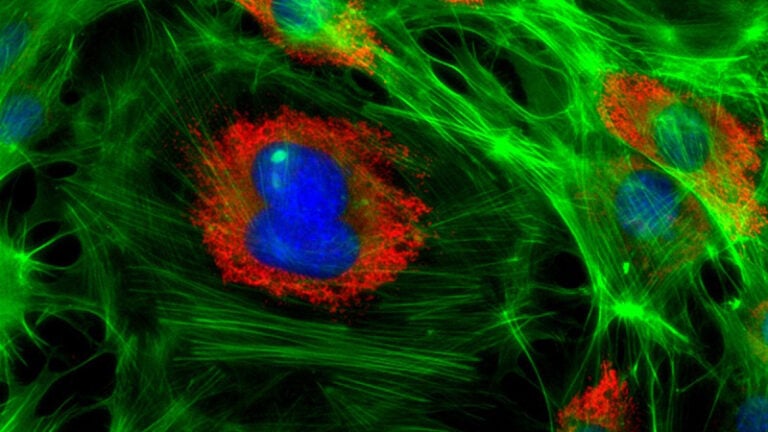












Microscope Photography Tips: Capturing the Hidden World
Aug 22, 2025
Darlene Lleno
Darlene Lleno brings a unique perspective to DIY Photography as someone who grew up surrounded by camera gear but chose words over lenses. With five years of writing experience, she specializes in photography content that’s both technically informed and genuinely passionate. Growing up with a photographer twin brother meant camera talk was everyday conversation in her household. While he mastered capturing moments, Darlene discovered she preferred being the subject and the storyteller behind the scenes. As a travel enthusiast and mother of two, she understands the importance of preserving life’s precious moments. When not exploring new destinations or writing for DIY Photography, you’ll find her reading or tending to her garden. Her approach to photography writing is refreshingly authentic, she may not be behind the camera, but she knows exactly what it takes to help others capture the shots that matter most.
Share:
Microscope photography opens up a fascinating universe of tiny subjects that remain invisible to the naked eye. This specialized form of macro imaging combines scientific precision with artistic vision to create stunning visuals of microscopic specimens.
Getting Your Microscope Photography Equipment Ready
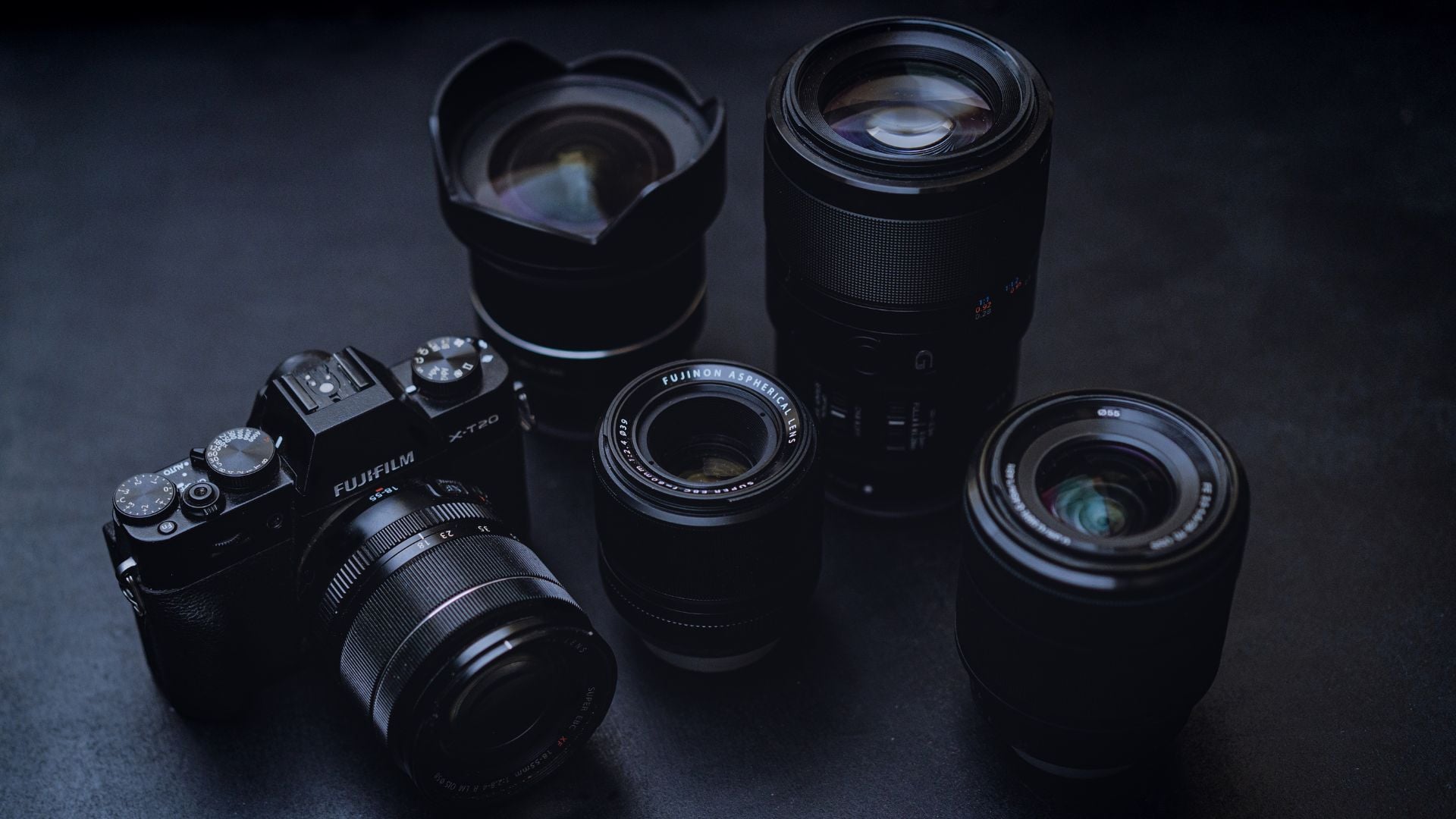
You need the right gear to get started with microscope photography. A good microscope with solid optics works best. Most people start with compound microscopes that go from 40x to 1000x magnification. Your regular digital camera will work fine, but you’ll need an adapter to connect it to your microscope.
Camera adapters come in different styles. Some slip right over the eyepiece. Others replace the eyepiece completely. The key is making sure everything stays steady without any wobbling. You’ll also want a strong tripod since tiny movements get blown up big time at high magnification.
Lighting makes a huge difference in microscope photography. Most microscopes have lights built in, but you might need extra lighting for better shots. LED lights work great because they don’t get hot and keep the same color all the time.
Mastering Focus and Depth of Field Techniques in Microscope Photography
Focus control needs to be super precise when you’re doing microscope photography. The depth of field gets incredibly shallow at high magnifications. Sometimes only a few micrometers stay in focus. This means just a thin slice of your subject will look sharp in any single photo.
Key focus techniques include:
- Focus stacking – Take multiple shots at different focus points and combine them in post-processing for greater depth of field
- Manual focus control – Works better than autofocus for precise adjustments at high magnification
- Fine focus movements – Make small adjustments between shots when creating focus stacks
- Patience and practice – Take time with each adjustment for best results

Specimen Preparation and Handling
Proper specimen preparation makes the difference between mediocre and outstanding microscope photography. Clean slides and cover slips are essential. Even tiny dust particles or fingerprints become massive obstacles at high magnifications.
Some specimens work best when mounted in specific media. Water works for many biological samples, but glycerin or specialized mounting media might provide better results for certain subjects. Live specimens present unique challenges but can create dynamic images with faster shutter speeds and higher ISO settings.
Camera Settings for Microscopic Subjects
Camera settings work differently in microscope photography than regular photography. Start with your camera’s base ISO setting to minimize noise. Understanding your exposure triangle becomes particularly important since shutter speed matters more for controlling motion blur and camera shake.
Essential camera settings:
- Low ISO values – Start with ISO 100-200 for maximum image quality and reduced noise
- Manual focus – Autofocus struggles at high magnifications, so switch to manual control
- Proper exposure – Use histogram to ensure detail in both highlights and shadows
- Stable support – Tripods become essential since vibrations get magnified
- Fast shutter speeds – Needed for moving specimens and reducing camera shake
Most microscopes have iris diaphragms that control the light cone and affect contrast. Experiment with different settings to find the right balance between contrast and resolution.
Creative Composition in the Microscopic World
Composition rules still apply in microscope photography, though the subjects and scales are different. Look for interesting patterns, textures, and geometric shapes in your specimens. Color plays a bigger role than you might expect, with many specimens having natural colors that create striking images.
Consider the story your image tells. The best images often combine artistic appeal with educational value, creating pictures that showcase the extraordinary beauty in microscopic structures.
Post-Processing Your Microscopic Images
Digital processing becomes particularly important in microscope photography. Focus stacking in Photoshop requires specialized software to combine multiple images seamlessly. Color correction often needs attention since microscope lighting can create color casts.
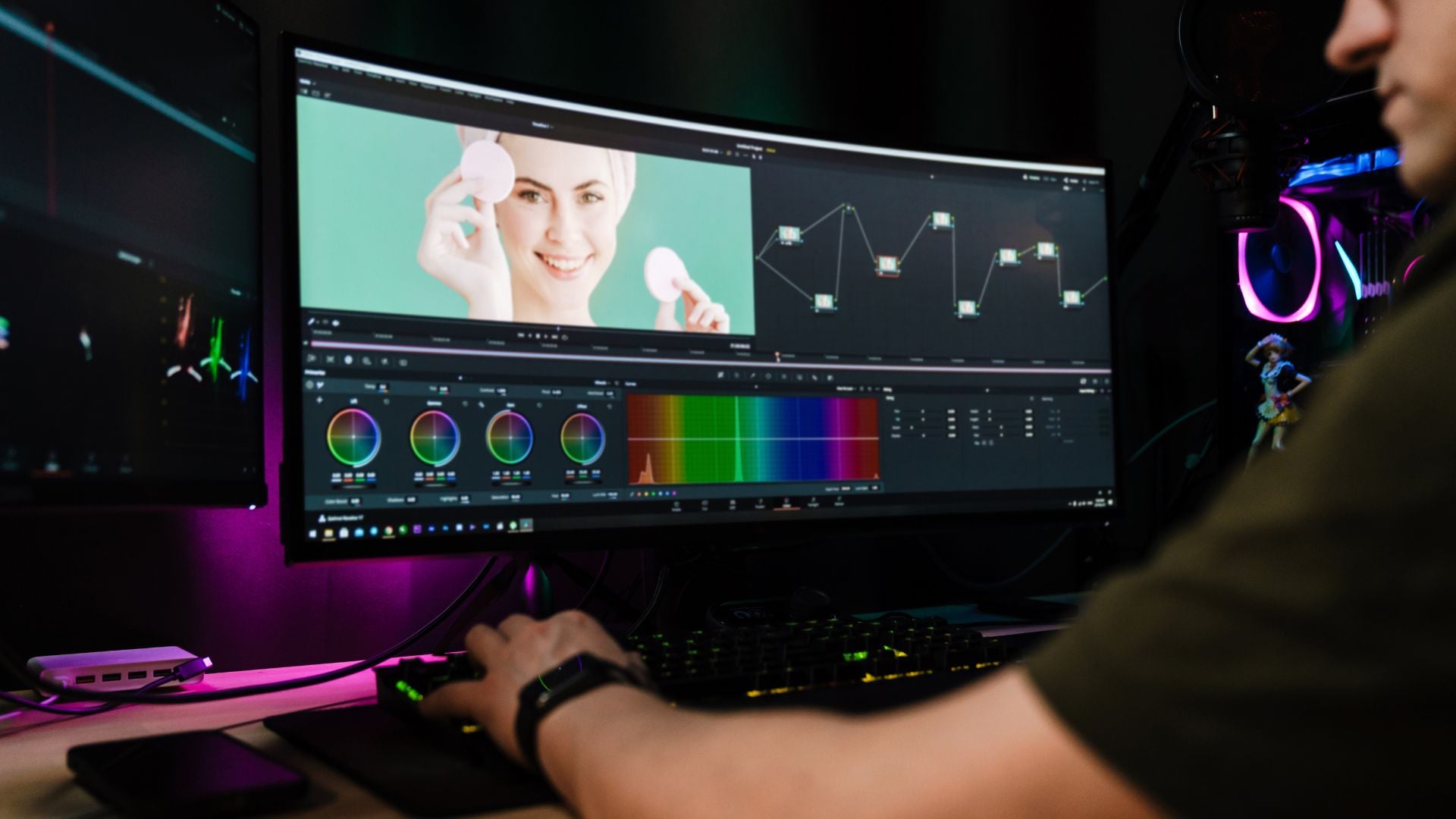
Sharpening requires a delicate touch. Over-sharpening creates halos and artifacts that become obvious at high magnifications. Use subtle techniques that enhance detail without creating artificial-looking results.
Troubleshooting Common Problems
Vibration problems plague many microscope photography setups. Even small movements can ruin images at high magnifications. Keep your equipment clean and work in a dust-free environment when possible.
Focus drift can occur during long shooting sessions as equipment warms up. Allow your microscope time to stabilize before critical shots, and check focus periodically during extended sessions.
Microscope photography rewards patience and practice. Start with simple specimens and gradually work up to more challenging subjects. Learning proper macro photography techniques will help you understand the fundamentals. Many photographers find that starting with basic macro subjects you can shoot at home helps develop skills for advanced microscopic imaging.
Exploring the Microscopic World Through Your Lens
Microscope photography opens up a fascinating world, turning tiny subjects into captivating images. With the right equipment and attention to focus, lighting, and camera settings, you can capture intricate details that often go unnoticed.
Patience and practice are essential, as is embracing creativity in your compositions. Over time, you’ll be able to create stunning visuals that blend scientific precision with artistic beauty.

Darlene Lleno
Darlene Lleno brings a unique perspective to DIY Photography as someone who grew up surrounded by camera gear but chose words over lenses. With five years of writing experience, she specializes in photography content that’s both technically informed and genuinely passionate. Growing up with a photographer twin brother meant camera talk was everyday conversation in her household. While he mastered capturing moments, Darlene discovered she preferred being the subject and the storyteller behind the scenes. As a travel enthusiast and mother of two, she understands the importance of preserving life’s precious moments. When not exploring new destinations or writing for DIY Photography, you’ll find her reading or tending to her garden. Her approach to photography writing is refreshingly authentic, she may not be behind the camera, but she knows exactly what it takes to help others capture the shots that matter most.



Join the Discussion
DIYP Comment Policy
Be nice, be on-topic, no personal information or flames.
One response to “Microscope Photography Tips: Capturing the Hidden World”
What a big nothing of an article.