




















Photography Mistakes Beginners Still Make in 2025 (and How to Fix Them)
Aug 24, 2025
Darlene Lleno
Darlene Lleno brings a unique perspective to DIY Photography as someone who grew up surrounded by camera gear but chose words over lenses. With five years of writing experience, she specializes in photography content that’s both technically informed and genuinely passionate. Growing up with a photographer twin brother meant camera talk was everyday conversation in her household. While he mastered capturing moments, Darlene discovered she preferred being the subject and the storyteller behind the scenes. As a travel enthusiast and mother of two, she understands the importance of preserving life’s precious moments. When not exploring new destinations or writing for DIY Photography, you’ll find her reading or tending to her garden. Her approach to photography writing is refreshingly authentic, she may not be behind the camera, but she knows exactly what it takes to help others capture the shots that matter most.
Share:

Photography mistakes happen all the time, especially when you’re just starting out. Most beginners focus so much on buying the right camera that they miss simple fixes that would instantly improve their photos. The truth is, you can take amazing shots with basic gear once you stop making these common errors.
1. Light Direction Problems That Ruin Your Shots
Many new photographers think that more light automatically means better photos. They stick their subjects right in front of bright windows or harsh sunlight and wonder why everyone looks terrible. This creates nasty shadows under the eyes and noses, making people look tired or grumpy.
Professional photographers rarely use direct light on faces. Instead, they position subjects at angles to create dimension. Try turning your person about 45 degrees away from the light source. Window light becomes flattering when it hits just one side of the face.
For outdoor shots, look for open shade under trees or building edges. Backlight techniques can transform ordinary portraits by creating dramatic rim lighting and separation from backgrounds.
2. Background Chaos You Don’t Notice Until Later
Photography mistakes often start before you even take the picture. Beginners get tunnel vision on their main subject and completely ignore what’s happening behind them. You end up with telephone poles growing out of people’s heads or bright signs stealing attention from your focal point.
Scan your entire frame before hitting the shutter. Look at the edges and corners. Move two steps left or right to eliminate most background problems.
Sometimes you need to change your angle completely or ask your subject to shift positions. The rule of thirds helps you see the whole frame instead of just the center and automatically spot distracting elements.
3. White Balance Mistakes That Kill Natural Colors

Auto white balance works fine when you have consistent lighting. But it fails miserably when different light sources mix together.
Indoor shots under office lights often look green and sick. Sunset photos can turn too orange or too blue, depending on what your camera decides to do.
Manual white balance takes five seconds but makes a huge difference. Most cameras have presets like “tungsten” for regular indoor bulbs or “shade” for outdoor shadow areas. Custom white balance using a gray card gives you perfect results, especially for important events.
4. Oversharpening Problems Everyone Ignores
Digital cameras and editing apps automatically sharpen your images. Most beginners think sharper always equals better and crank up the sharpening even more. Over-sharpened photos look harsh and fake with visible halos around edges that scream amateur work.
Raw files give you complete control over sharpening decisions. Apply sharpening only to specific areas, like eyes in portraits, while keeping skin smooth. Learn to recognize when something looks too processed.
5. Focus Problems That Miss Your Subject
Camera autofocus systems are smart, but they can’t read your mind. Most photography mistakes happen when beginners leave everything on auto and let the camera pick what should be sharp. Sometimes it works, but often the camera focuses on the wrong thing entirely.
Single-point autofocus gives you exact control over where sharpness falls. For portraits, always focus on the nearest eye to the camera. For group shots, focus about one-third into the group.
Don’t trust your camera to make these creative decisions for you. Manual exposure settings give you complete control over focus, along with aperture, shutter speed, and ISO for perfect results.
6. Flash Photography Disasters
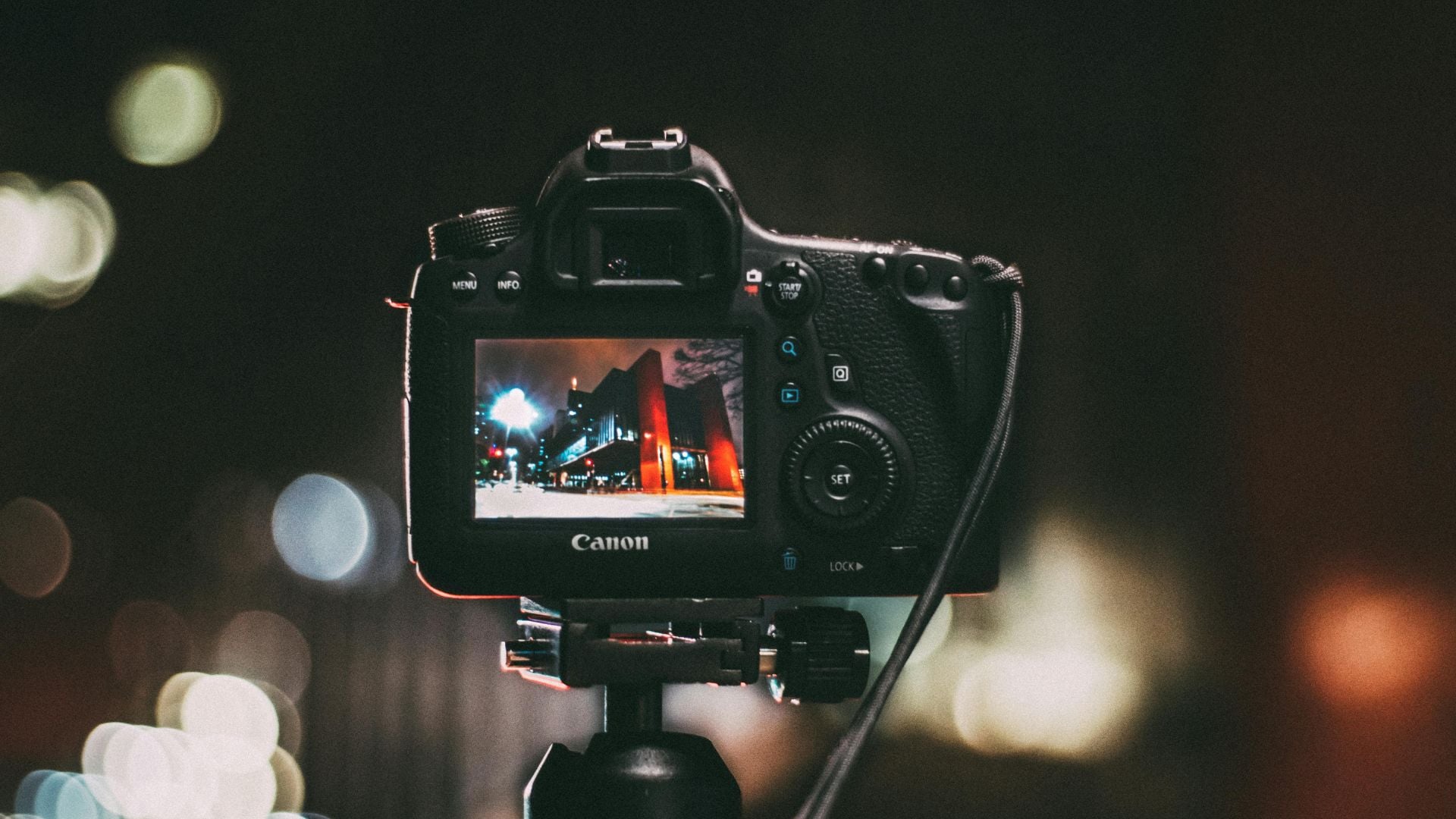
Built-in camera flash creates flat, harsh lighting that makes everyone look washed out. Most beginners either avoid flash completely or blast people directly in the face. Both approaches miss tons of creative opportunities.
Bounce your flash off ceilings or walls instead of pointing it straight at people. Even small reflectors or diffusers improve direct flash dramatically.
Learn when flash can actually save your shots instead of ruining them. Dramatic lighting setups can be created using household lamps instead of expensive flash equipment.
7. Camera Mode Confusion That Limits Your Growth
Aperture priority mode gives you creative control over depth of field while handling other settings automatically. Photography mistakes multiply when beginners stick to full auto mode forever and never learn how different settings affect their final images.
Start experimenting with semi-manual modes gradually. Understanding how aperture, shutter speed, and ISO work together matters more than memorizing specific numbers. Each situation needs different approaches that auto modes can’t predict.
8. Editing Overload That Destroys Natural Beauty
Heavy editing has become normal, with beginners pushing saturation and contrast sliders to extreme positions. Natural-looking edits need subtlety and restraint that develop with practice and studying good examples.
Professional editing usually involves many small adjustments rather than dramatic single changes. Make changes in small steps and compare the before and after versions frequently. A structured editing workflow guides beginners through the post-processing without overwhelming them with too many options at once.
9. Storage Disasters That Cost Everything
Digital photography mistakes extend beyond camera technique to file management. Many beginners shoot important events without backup plans, risking permanent loss of irreplaceable photos.
Develop a system that includes immediate backup to multiple locations:
- Cloud storage for automatic protection
- External drives for local backup
- Computer storage for working files
In fact, many photographers have lost images due to poor backup habits that could have been easily prevented with simple planning.
Professional photographers treat digital files like valuable assets. They maintain organized folder structures and consistent naming systems that prevent confusion later. Learn these habits early before you accumulate thousands of photos.
10. Gear Obsession That Misses the Point
New photographers often think expensive equipment automatically creates better photos. They spend money on fancy cameras while ignoring fundamental skills that affect image quality more than any gear upgrade.
Focus on mastering your current equipment before upgrading anything. Learn how every button and setting works. Practice until camera operation becomes automatic so you can concentrate on creative decisions.
The best camera is the one you have with you when something interesting happens. Phone cameras today can create professional-quality images when you understand their limitations and strengths.
Turning Photography Mistakes Into Strengths
These photography mistakes are completely fixable once you recognize them. Work on one area at a time instead of trying to perfect everything simultaneously. Small improvements often produce dramatic results that separate your work from typical beginner photos.
Remember that professional photographers made these same mistakes when starting out. The difference lies in recognizing problems quickly and developing solutions through consistent practice. Every accomplished photographer started exactly where you are right now.
See more from DIYPhotography.net on Google
Add DIYPhotography.net as a trusted source. This makes
our stories more likely to appear in your Google Search results.
 Add as a preferred source on Google

Darlene Lleno
Darlene Lleno brings a unique perspective to DIY Photography as someone who grew up surrounded by camera gear but chose words over lenses. With five years of writing experience, she specializes in photography content that’s both technically informed and genuinely passionate. Growing up with a photographer twin brother meant camera talk was everyday conversation in her household. While he mastered capturing moments, Darlene discovered she preferred being the subject and the storyteller behind the scenes. As a travel enthusiast and mother of two, she understands the importance of preserving life’s precious moments. When not exploring new destinations or writing for DIY Photography, you’ll find her reading or tending to her garden. Her approach to photography writing is refreshingly authentic, she may not be behind the camera, but she knows exactly what it takes to help others capture the shots that matter most.




Join the Discussion
DIYP Comment Policy
Be nice, be on-topic, no personal information or flames.