








Research: Fake Travel Photos Are Ruining Trips for 83% of Americans
Aug 4, 2025
Dunja Đuđić Kalinin
Dunja Djudjic is a multi-talented artist based in Novi Sad, Serbia. With 15 years of experience as a photographer, she specializes in capturing the beauty of nature, travel, concerts, and fine art. In addition to her photography, Dunja also expresses her creativity through writing, embroidery, and jewelry making.
Share:
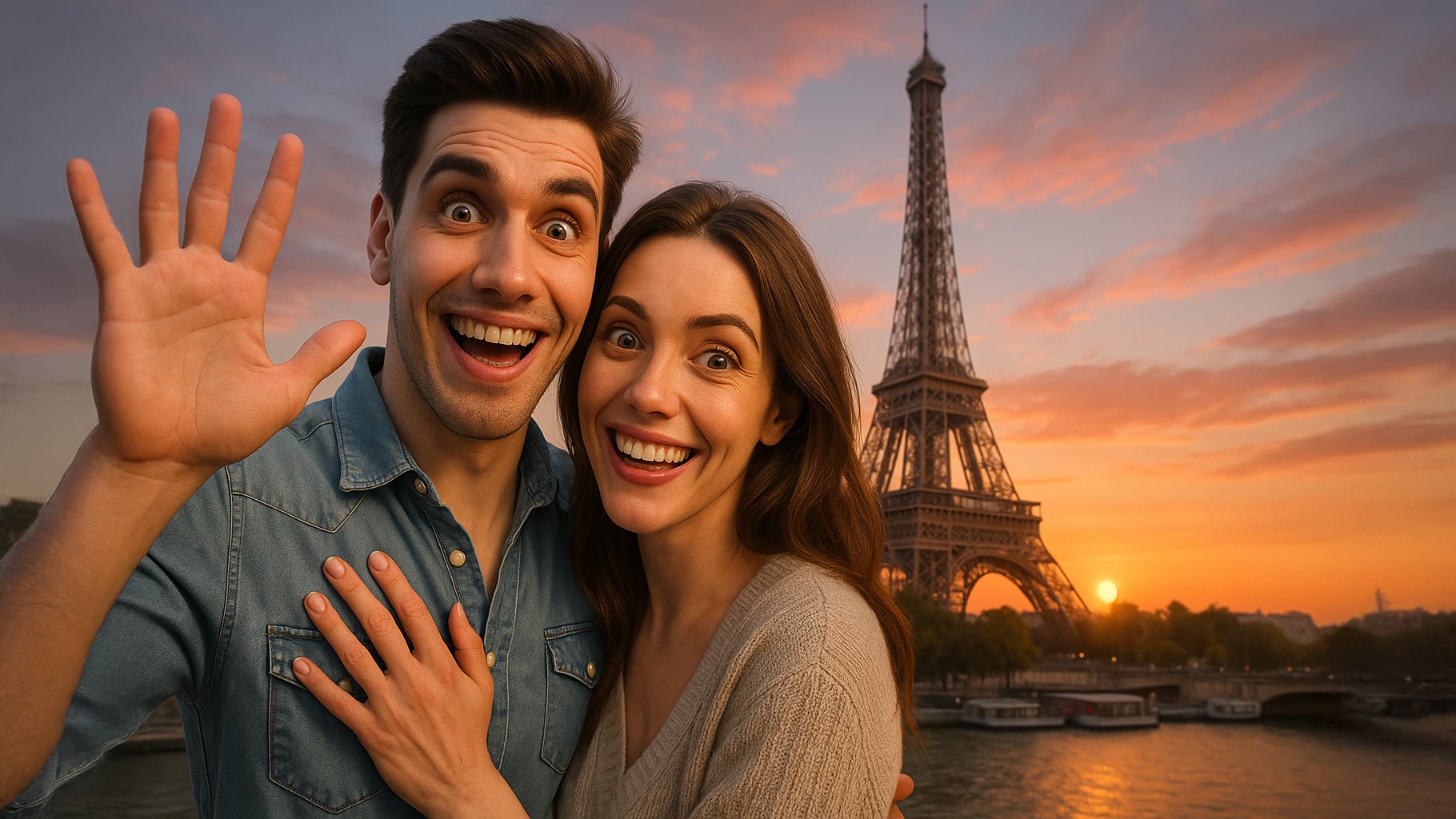
Fake pictures are changing the way people travel – and not for the better. A new survey reveals that 83% of Americans feel anxious about AI-altered or overly edited travel photos, unsure if what they’re seeing is even real. From Instagram-perfect beaches to “too good to be true” hotels, these fake travel photos aren’t just causing disappointment. They are also putting travelers at risk, leading some to end trips early or avoid destinations entirely.
Methodology
FullFrame surveyed 1,000 Americans, asking them how travel photos impact their trip planning, spending habits, and trust in what they see online. They used Pollfish and interviewed people of different generations and income levels. “To get a full picture, we asked about everything,” FullFrame explains. “From influencer impact and AI-generated content to how often people choose or avoid destinations based on how they look online.”
Key Findings: Fake Pictures Are Costing Travelers Trust and Money
The survey results reveal just how deeply fake pictures are impacting travel decisions. In an era where AI-generated visuals, heavy editing, and influencer filters dominate the feed, travelers are starting to push back. Here are the key findings that seem shocking at first. But when you think about it, they make sense:
- 83% feel anxious about AI (artificial intelligence)-altered travel photos (i.e., is what they’re seeing real?)
- More than 1 in 5 travelers booked a trip based on photos, then felt unsafe when they arrived
- Nearly 2 in 5 travelers have been let down by misleading travel photos; 10% even ended trips early because of it
- 1 in 4 choose vacation spots based on how attractive people look in destination photos, with 59% of Gen Z going this route
- Nearly 1 in 3 Gen Z travelers bring a plus-one just to take their photos and videos
- 42% say diverse representation in travel photos makes them more likely to visit a destination
But fake pictures don’t just damage trust. They come with real consequences. There are safety concerns, wasted budgets, and of course, broken expectations. And for younger travelers, particularly Gen Z, the reaction is fast. If the visuals feel dishonest, they leave.
Tips for Travel Photographers: Honesty, not Fake Pictures
Whether you’re shooting for a tourism board or your own portfolio, FullFrame’s research is a wake-up call. Along with the survey results, they also share some tips on how to stay credible and client-worthy in the age of fake pictures.
First of all, keep in mind that authenticity builds trust. This means resisting the urge to over-edit, avoiding exaggerated lighting and, obviously, AI enhancements. Instead, show the destinations as they truly are. Include the crowds, bad weather, or even construction. Travel imagery that feels too perfect now triggers skepticism rather than admiration. Instead, focus on honest storytelling through your photos and captions, providing context about location, timing, and conditions. Representation also matters. Travelers are more likely to engage with photos that reflect real diversity across race, age, body type, and ability.
On the practical side, you should prepare for the unexpected. Bring backups and secure insurance (for both your health and your gear). Be careful when uploading content on the fly to avoid data loss or cyber risks. Whether you’re collaborating with influencers or capturing candid street scenes, clarity, transparency, and preparation go a long way in keeping your work professional and your audience engaged.
Why Shift Toward Skepticism Makes Sense
As I mentioned, the results shocked me at first, but on the second look, they made perfect sense. If you’ve been online in the last year or two, you’ve noticed the oversaturation with fake pictures. From AI-generated selfies and Ghibli-style everything, to curated hotel reels that are more fiction than travel guide.
So, it’s no wonder consumers are wary. We’ve entered an era where everything is too easy to fabricate, it’s just a click (or a prompt) away. Hence, trust is getting harder to earn. I myself have noticed that I’m becoming more aware and awake while looking at photos and videos online. And not just that – I’ve become less interested in randomly scrolling through photos. I am shifting towards following specific photographers and looking at their work on their profiles and sites. I haven’t planned a trip to a new place since the AI craze became the new normal. But when I do, this is definitely something I’ll pay close attention to.
But it’s not all gloomy. This shift in trust creates space for a new kind of photography. Or maybe, that’s actually the old kind. We can again create photography that values honest storytelling and authenticity over perfect staging.
As platforms like TikTok and Instagram continue shaping our vision of the world, photographers who center truth over polish will stand out. Because in a landscape flooded with fake pictures, the real ones matter most.
Make sure to read more info and data on FullFrame’s website. And remember to stay true to yourself and your photography: it looks like it’s coming back in style. Finally!
[Lead image was AI-generated]
See more from DIYPhotography.net on Google
Add DIYPhotography.net as a trusted source. This makes
our stories more likely to appear in your Google Search results.
 Add as a preferred source on Google

Dunja Đuđić Kalinin
Dunja Djudjic is a multi-talented artist based in Novi Sad, Serbia. With 15 years of experience as a photographer, she specializes in capturing the beauty of nature, travel, concerts, and fine art. In addition to her photography, Dunja also expresses her creativity through writing, embroidery, and jewelry making.



Join the Discussion
DIYP Comment Policy
Be nice, be on-topic, no personal information or flames.