










Can You Sell Photography on Etsy?
Jun 11, 2026
Lydia Marlowe

Dunja Djudjic is a multi-talented artist based in Novi Sad, Serbia. With 15 years of experience as a photographer, she specializes in capturing the beauty of nature, travel, concerts, and fine art. In addition to her photography, Dunja also expresses her creativity through writing, embroidery, and jewelry making.
Share:
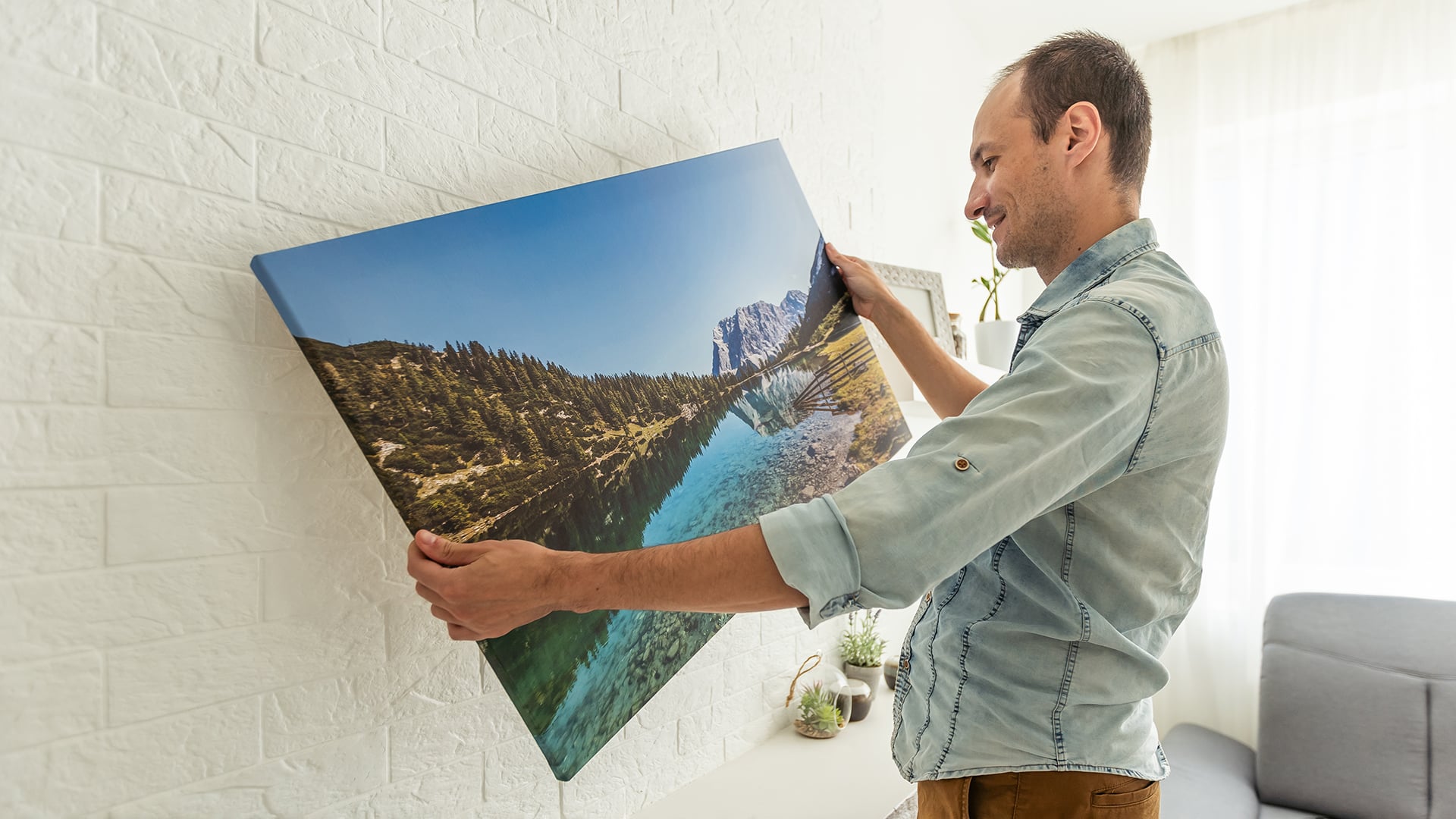
If you want to sell your photography other than on stock websites, you can sell photography on Etsy. The platform allows both physical prints and digital downloads, and photography is an established category there. You’ll need an Etsy seller account, listings with strong titles and tags, and a way to deliver the work – either printing and shipping yourself, using a print-on-demand partner, or selling instant digital files. The catch is competition: Etsy is crowded, so being findable matters as much as the photos themselves.
For the wider rundown of every way to sell your work, take a look at this guide on how to sell your photography.
What Can You Sell on Etsy as a Photographer?
Three main formats, each with a different workload:
- Physical prints. You print and ship them yourself, or order from a lab. Highest effort, but you control quality and packaging.
- Print-on-demand. A partner service prints and ships on your behalf when an order comes in. Less control, less hassle, thinner margin.
- Digital downloads. You upload the file once and buyers download it to print themselves. No shipping, no inventory, effectively passive once listed. The most popular route on Etsy for good reason.
Digital is where a lot of photographers start, because there’s no fulfillment headache and one good file can sell over and over.
Is It Worth Selling Photography on Etsy?
Depends what you bring to it. Etsy’s big advantage is that the buyers are already there, wallets out, searching for art to hang. That solves the hardest problem with your own website: traffic. You’re plugging into an existing marketplace instead of building one.
The trade-off is everything that comes with a crowded marketplace. You’ll pay listing and transaction fees. You’re competing with thousands of other sellers, including ones flooding the digital category with cheap downloads. And you don’t own the customer relationship – Etsy does.
So it’s worth it if you treat it as one shop window among several, not your whole strategy. Realistic expectation: a steady trickle that grows as your listings and reviews build, not an overnight income.
How Do You Start Selling Photography on Etsy?
The quick version:
- Open a seller account and set up your shop name and basic branding.
- Decide your format – prints, print-on-demand, digital, or a mix.
- Create listings that are findable. This is the part most people undercook. Your titles and tags need the words buyers actually search (“framed coastal print,” “black and white city photography,” “digital download wall art”), not artsy names only you understand.
- Price for profit. Account for Etsy’s fees, your printing or file prep, and your time. Don’t race to the bottom to match the cheapest seller.
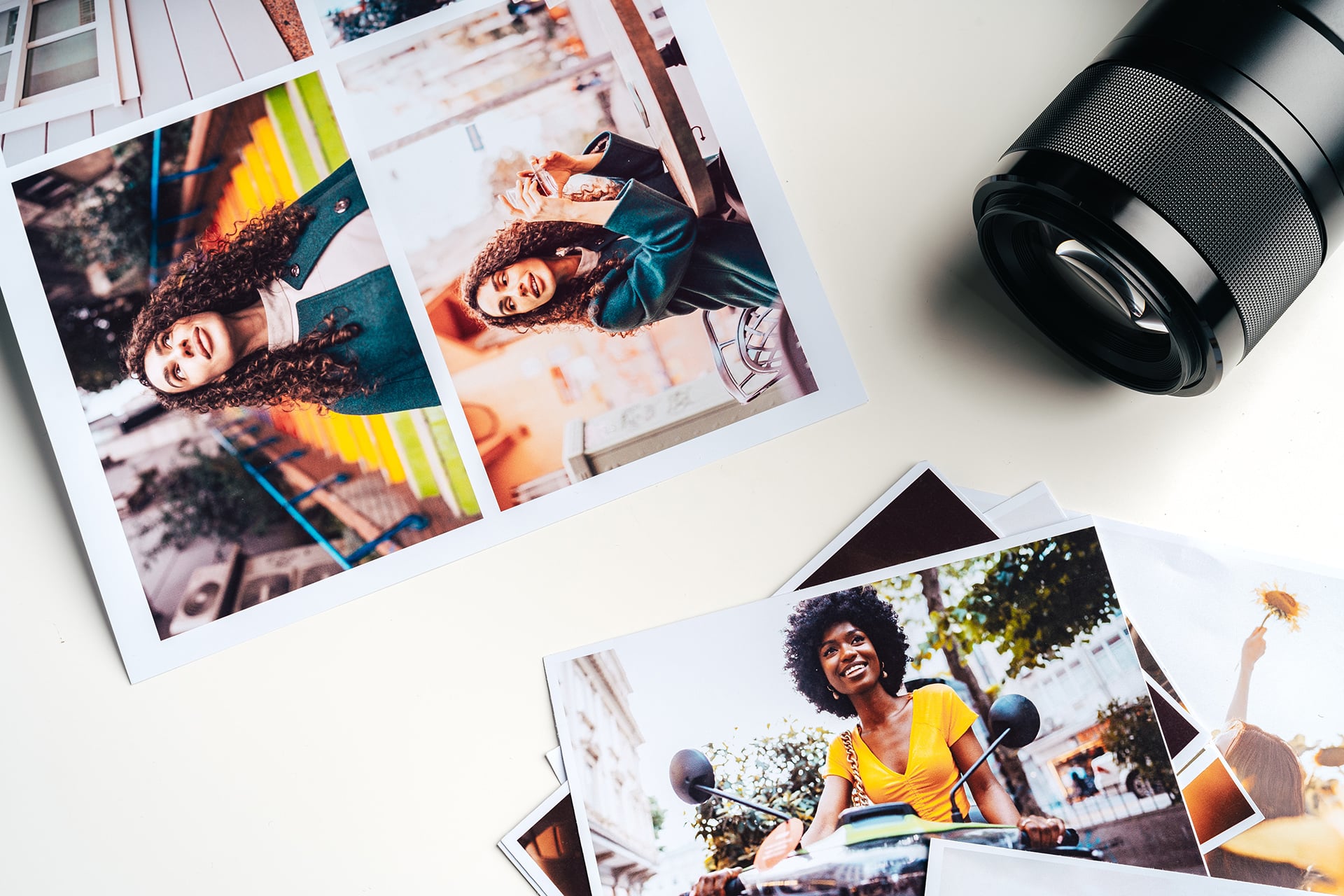
- Use strong preview images. On Etsy the thumbnail is the sale. Show prints styled on a wall, in a frame, in context – not just the flat file.
What Sells Best on Etsy?
The honest answer is the same as stock photography: useful beats artistic. Buyers on Etsy are usually decorating a space, so work that fits a clear use – wall art, themed prints, popular locations, clean aesthetics that match common interiors – tends to move faster than your most personal, experimental shots.
That doesn’t mean abandoning your style. It means meeting the buyer where they are. The people who do well on Etsy shoot (or curate) with the buyer’s wall in mind, then let the listings do the finding.
So, Should You Sell Your Photography on Etsy?
If you’ve got images people would want on their walls and you’re willing to learn the listing-and-tagging game, yes – Etsy is one of the lowest-friction places to start selling, especially with digital downloads. Just go in clear-eyed: it’s a marketplace, not a gallery, and being findable matters as much as being good.
Tried selling on Etsy already, or weighing it up against your own store? Tell us how it’s going in the comments.

About Lydia Marlowe
Lydia Marlowe is an architect and a hobbyist photographer who has never quite managed to keep the two apart. She travels at every excuse, usually returning with more photos of buildings and details than of the people she went with. She pays more attention to light and structure than to gear, and she firmly believes the best camera is the one you didn’t leave at home.
We love it when our readers get in touch with us to share their stories. This article was contributed to DIYP by a member of our community. If you would like to contribute an article, please contact us here.
Related Posts
 Instagram goes head to head with Etsy, will let creators sell stuff through the app
 How to market and sell your landscape photography prints
 How to Create Photography Packages That Sell Themselves
 The ‘Monthly Content Retainer’ Offer: How Photographers Can Sell Subscriptions (Without Feeling Salesy)
Join the Discussion
DIYP Comment Policy
Be nice, be on-topic, no personal information or flames.