







How Can I Sell My Photography?
Jun 13, 2026
Lydia Marlowe

We love it when our readers get in touch with us to share their stories. This article was contributed to DIYP by a member of our community. If you would like to contribute an article, please contact us here.
Share:
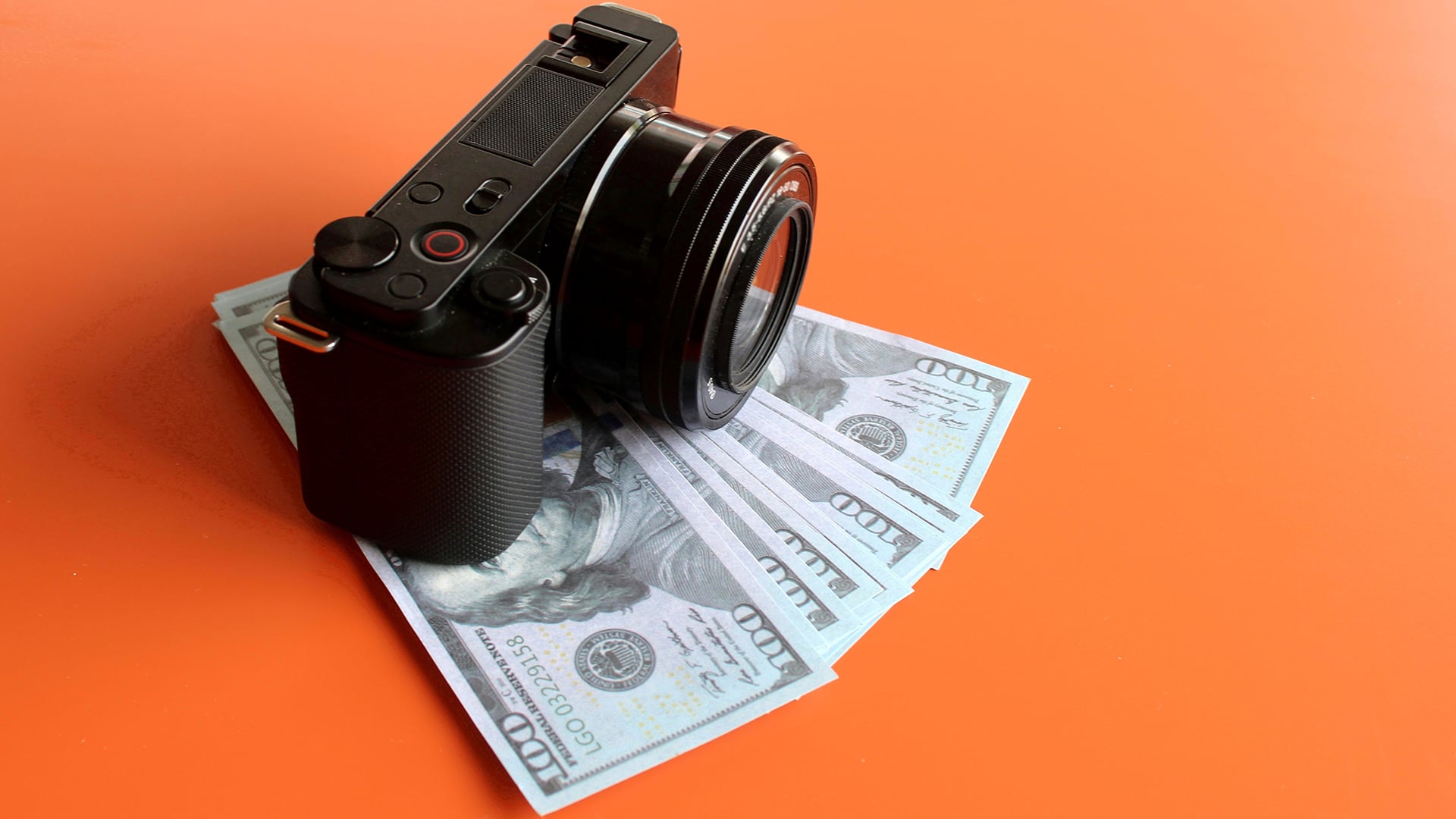
You can sell your photography in three main ways: selling prints (through your own store, print-on-demand, Etsy, or galleries), licensing images through stock agencies, or selling usage rights directly to clients and publications. Which one fits depends on the kind of work you make and whether you already have an audience to sell it to.
This guide covers where to sell, how to actually get people to buy, and which routes are worth your time. If you’re looking at the bigger picture of earning from a camera, start with our guide on how photographers make money.
Where Can I Sell My Photography Online?
The honest answer: lots of places, and that’s exactly the problem. Choice isn’t the hard part. Getting anyone to click “buy” is. Here are the real options, by what you’re actually selling.
- Your own website. The best long-term home for selling prints, because you keep the margin and the customer relationship. Tools like Squarespace, Format, or a WordPress store with WooCommerce handle the shop side. The catch: a store with no traffic sells nothing. Your site works once you’re sending people to it from somewhere else.
- Print-on-demand platforms. Places like Fine Art America, Pixels, SmugMug. You upload, they print and ship, you take a cut. Low effort, lower margin, and you’re one of millions. Good as a passive add-on, not a strategy on its own. Flickr used to offer great prints (and we tested them out), but that’s sadly not the case anymore.
- Etsy. Yes, you can sell photography on Etsy – prints, digital downloads, the lot. It’s worth doing because the buyers are already there looking to buy, which solves the traffic problem your own site has. The trade-off is fees and fierce competition, so your listings and titles have to actually be findable. Treat it like a shop window, not a gallery.
- Stock agencies. A different game entirely (more below).
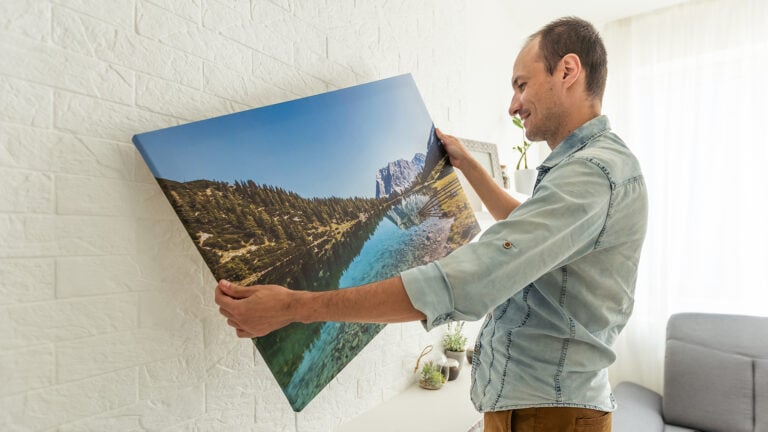
How Do I Sell Prints of My Photography?
Selling prints means you’re now partly in the art business, not just the photography one. That shift trips people up.
A few routes, roughly easiest to hardest:
- Print-on-demand – zero upfront cost, you never touch a printer, the platform takes a chunk. Easiest start, but thinnest margin.
- Your own store with a print lab – you order from a pro lab (or print yourself), handle fulfillment, keep more of the money. More work, but also more control.
- Local markets, fairs, and craft shows – underrated. Real people, real walls, instant feedback, cash in hand. Great for landscape and local-interest work.
- Galleries and exhibitions – the slow, prestige route. You’ll approach galleries, split sales, and play the long game that painters play. Worth it if fine art is genuinely the goal. Be mindful of the so-called “vanity galleries,” though.
One unglamorous truth: prints sell to people who already care about your work. A built-in audience converts. A cold storefront doesn’t. Which is why the marketing matters more than the printing.
How Do I Sell Stock Photography?
You upload images to an agency, they license them out, you earn a cut each time someone buys. The big ones are Adobe Stock, Shutterstock, Getty, and iStock.
The model rewards volume, not single masterpieces. Per-image payouts are small, so the people who make stock work upload a lot of commercially useful images – think concepts, lifestyle, business, work-from-home, food, anything a brand or blog needs filler for. Then they upload across several agencies at once.
Is It Worth Selling Photos on Shutterstock?
Depends what you want from it. As a get-rich plan, no. As slow, compounding side income from photos you’d have taken anyway, it can be. The payout per download is genuinely small, and you need a large, useful library before it adds up to real money.
The mistake is uploading your forty best artistic shots and waiting. Stock doesn’t want your best art. It wants your most useful images – the boring, searchable, commercially handy ones. Shoot for the buyer, not the portfolio, and stock makes more sense. Go in expecting a trickle that grows, not a paycheck.
How Do I Sell Photography Directly to Clients?
This is licensing, and it’s where the better money usually sits. Instead of a middleman taking most of the cut, you sell usage rights straight to a business, brand, or publication – “you can use this image, here, for this long, for this fee.”
It takes more hustle (you’re finding the buyers yourself) but the rates beat stock by a wide margin, and you keep control of how the work gets used. If you shoot something with clear commercial value (a strong local landmark, a niche subject, editorial-worthy news), approaching the buyer directly is often worth more than dumping it into an agency pool.
How Do I Actually Get People to Buy My Photography?
Here’s the part the platform comparisons skip. Where you sell barely matters if nobody knows the work exists. Every route above has the same bottleneck: an audience.
The fundamentals:
- Build a body of work people recognize. A coherent style sells better than scattered one-offs. Buyers buy you, not isolated images.
- Be findable. Good titles, tags, and descriptions on Etsy and stock sites. SEO on your own store. This is how strangers stumble into a sale. It’s not fun, but it’s essential.
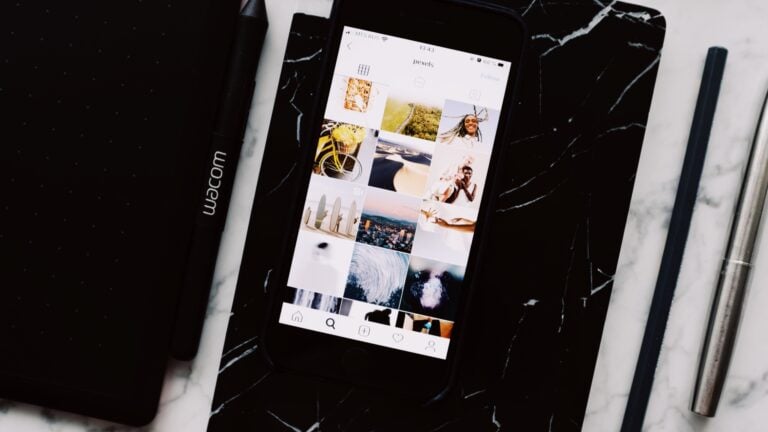
- Use social as a funnel, not a shop. Instagram and the like build the audience that then buys elsewhere. Don’t expect the platform itself to be the checkout.
- Make buying easy. Clear prices, obvious sizes, no “DM for pricing” friction. Every extra step loses people.
None of this is a trick. It’s just the work between “I have nice photos” and “someone paid for one.”
So Where Should I Start Selling My Photos?
Match the route to where you are. Got an audience already? Open a print store and point them at it. No audience yet but plenty of images? Stock and Etsy put your work where buyers are already searching. Shoot something with commercial pull? License it directly and keep the bigger cut.
And don’t spread yourself across six platforms on day one. Pick one, learn how selling there actually works, then add the next. A focused shop beats a scattered presence every time.
Which selling route are you leaning toward first – prints, stock, or going direct? Let us know in the comments.

About Lydia Marlowe
Lydia Marlowe is an architect and a hobbyist photographer who has never quite managed to keep the two apart. She travels at every excuse, usually returning with more photos of buildings and details than of the people she went with. She pays more attention to light and structure than to gear, and she firmly believes the best camera is the one you didn’t leave at home.
We love it when our readers get in touch with us to share their stories. This article was contributed to DIYP by a member of our community. If you would like to contribute an article, please contact us here.




Join the Discussion
DIYP Comment Policy
Be nice, be on-topic, no personal information or flames.