

















Breaking the stigma: Alex Baker’s project “This is Motherhood” makes mothers feel seen
Sep 3, 2024
Dunja Đuđić Kalinin
Dunja Djudjic is a multi-talented artist based in Novi Sad, Serbia. With 15 years of experience as a photographer, she specializes in capturing the beauty of nature, travel, concerts, and fine art. In addition to her photography, Dunja also expresses her creativity through writing, embroidery, and jewelry making.
Share:
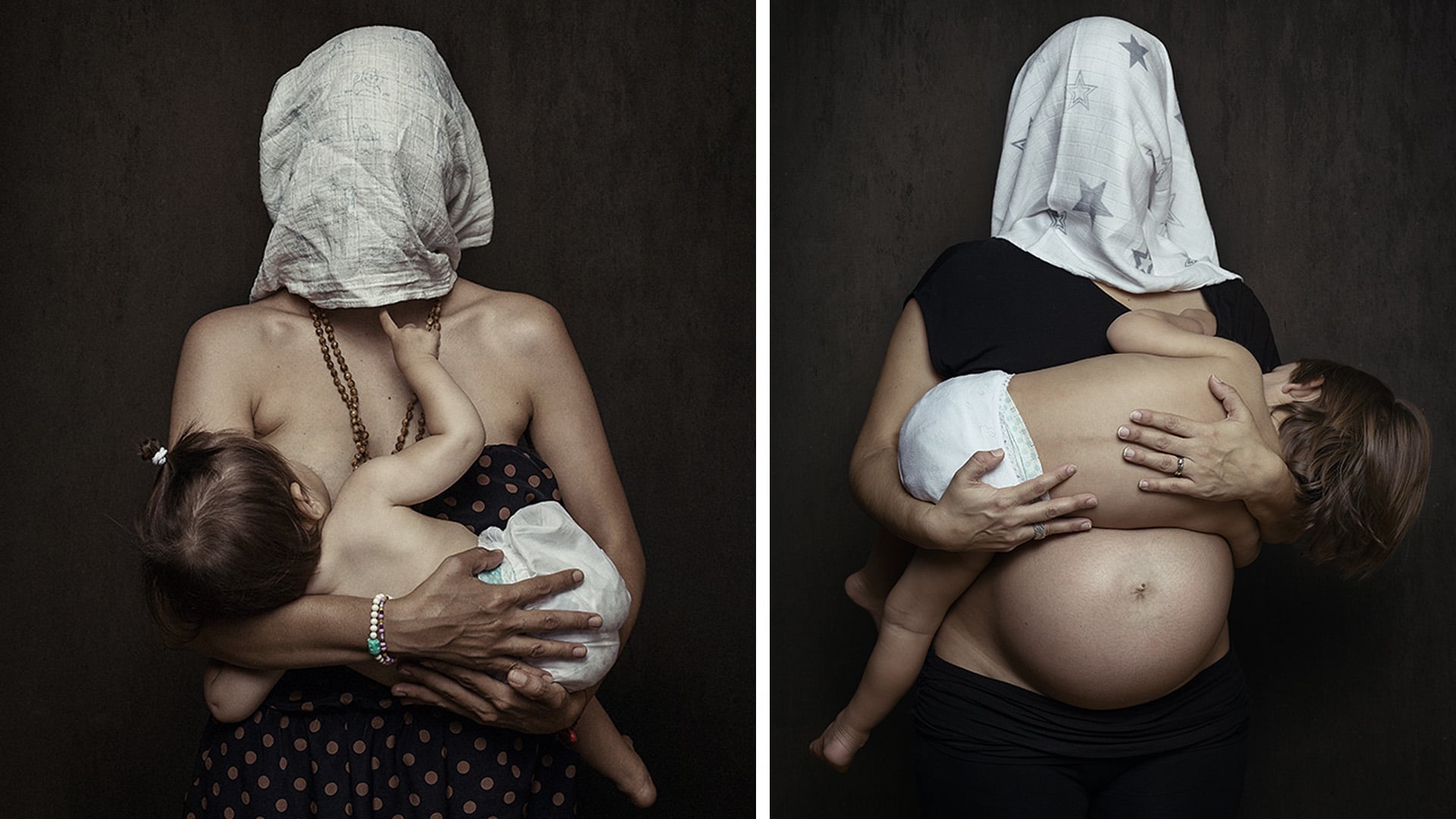
Everyone says becoming a mother is a joyful, magical experience, a pure blessing. While it undoubtedly is – there are many challenges new moms face, and talking about them is still largely stigmatized.
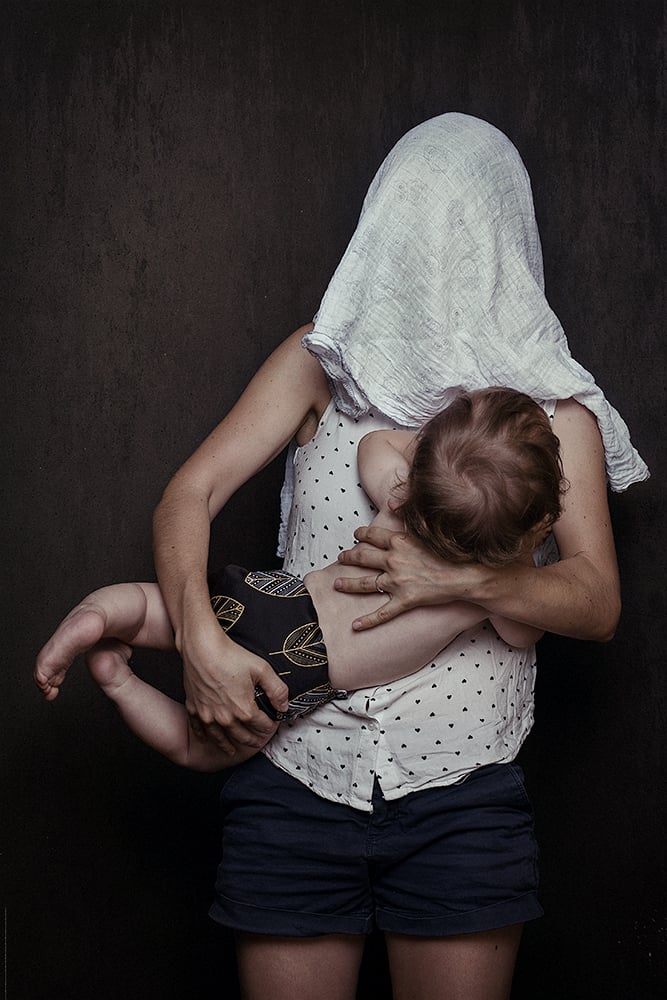
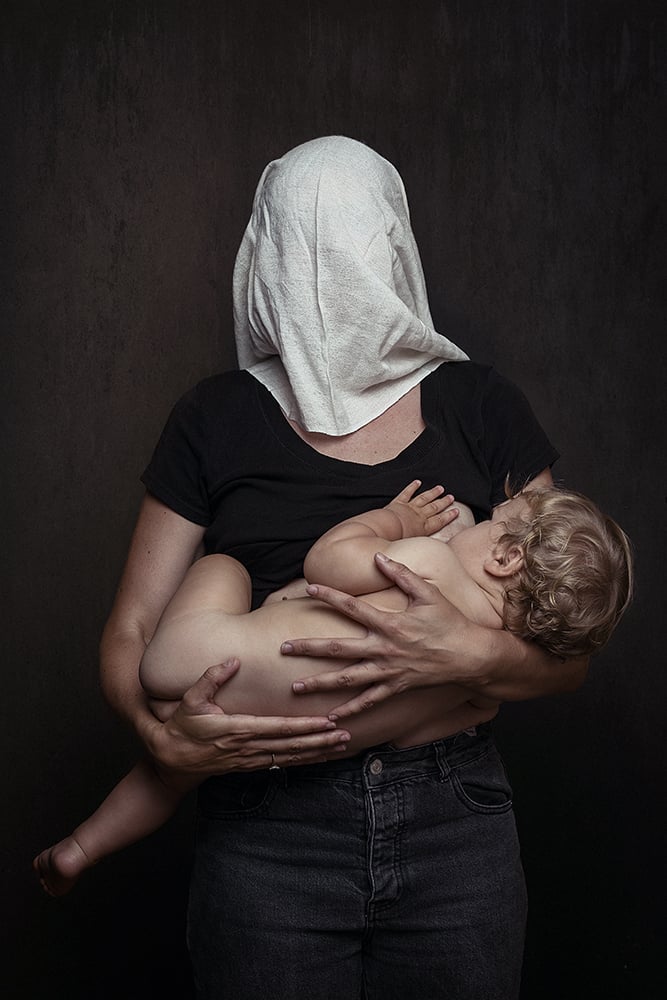
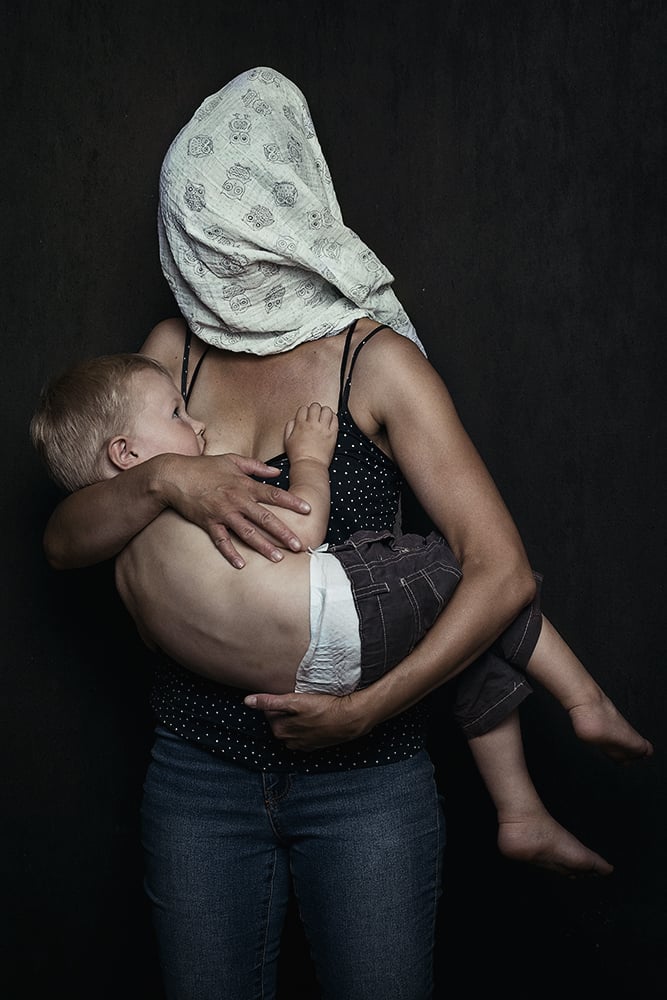
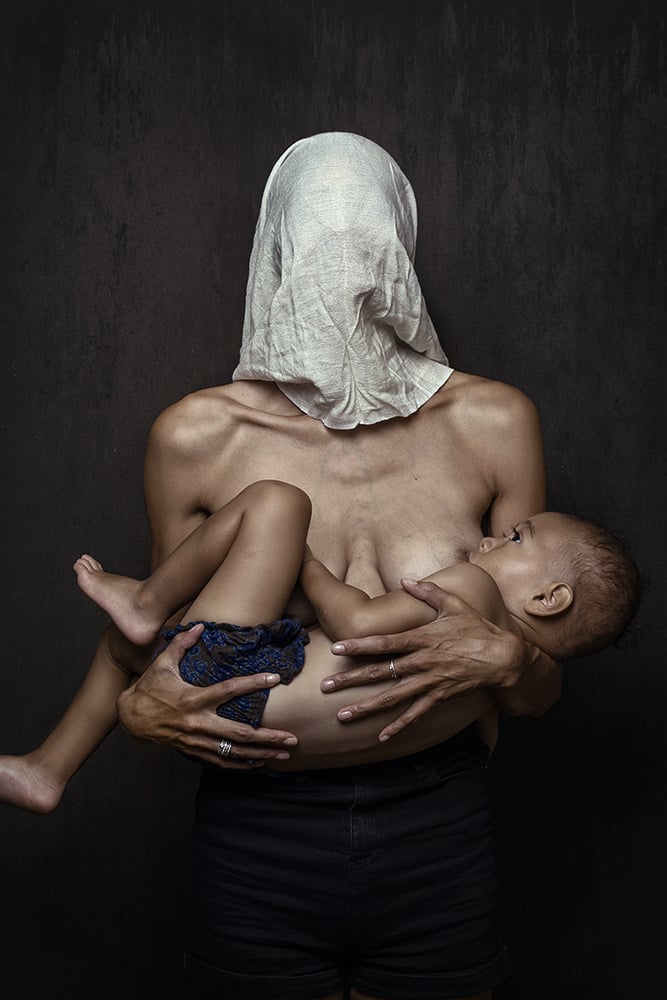
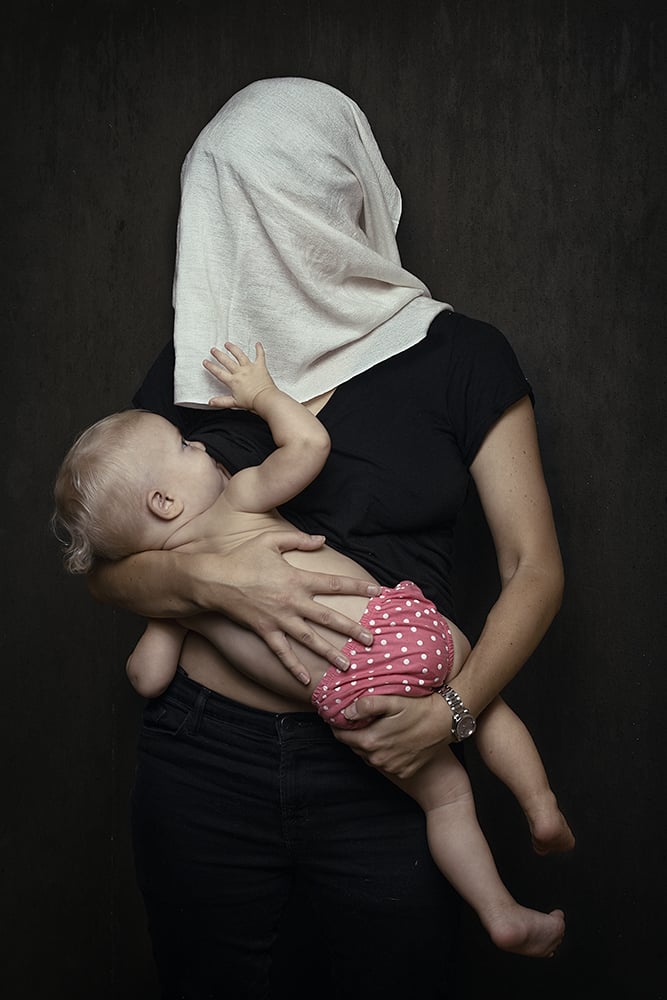
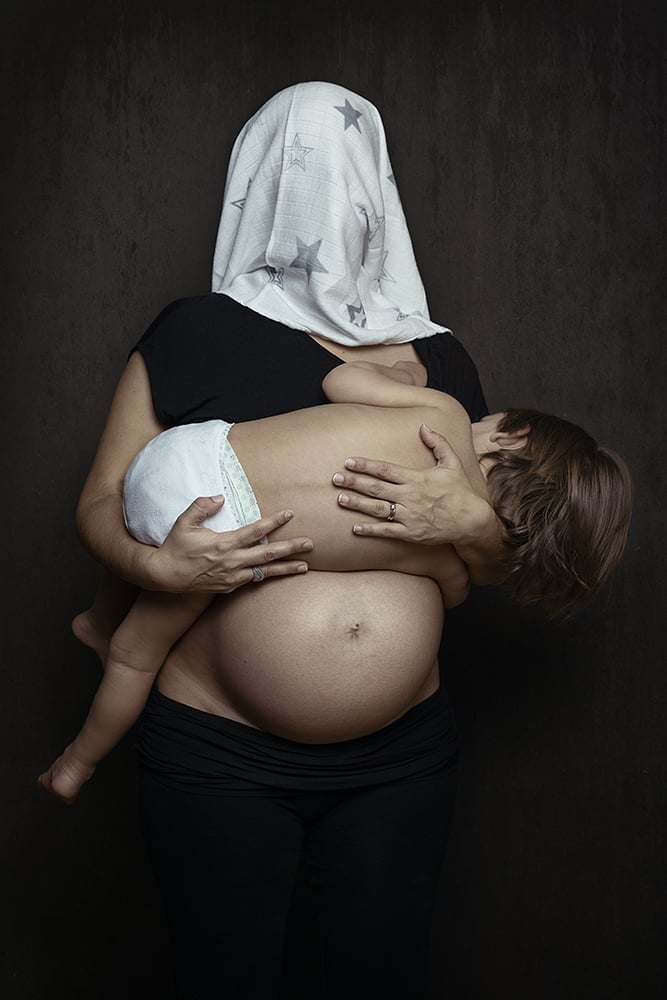
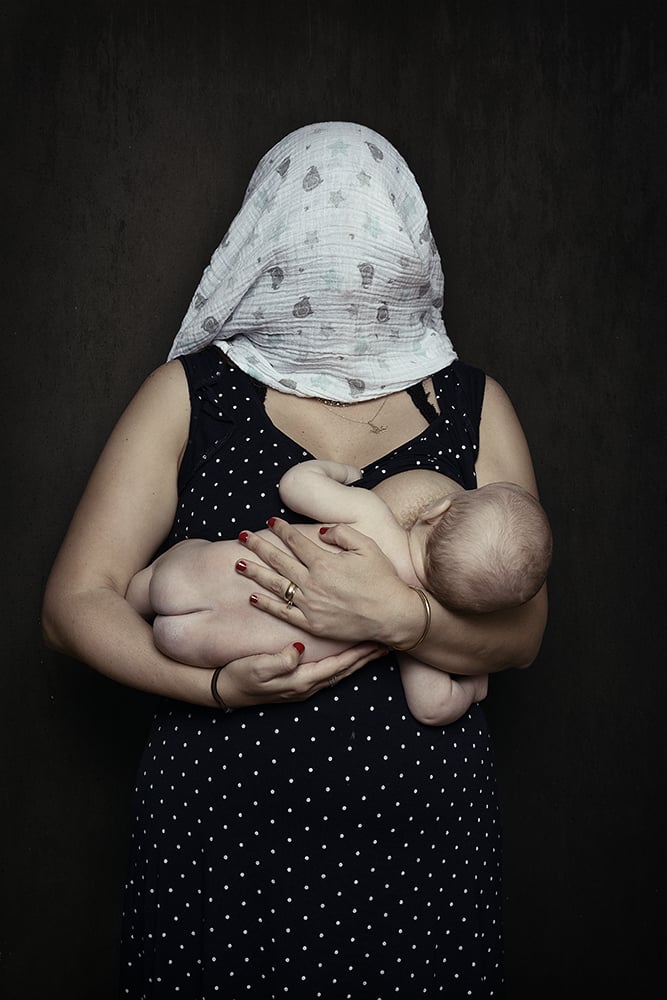
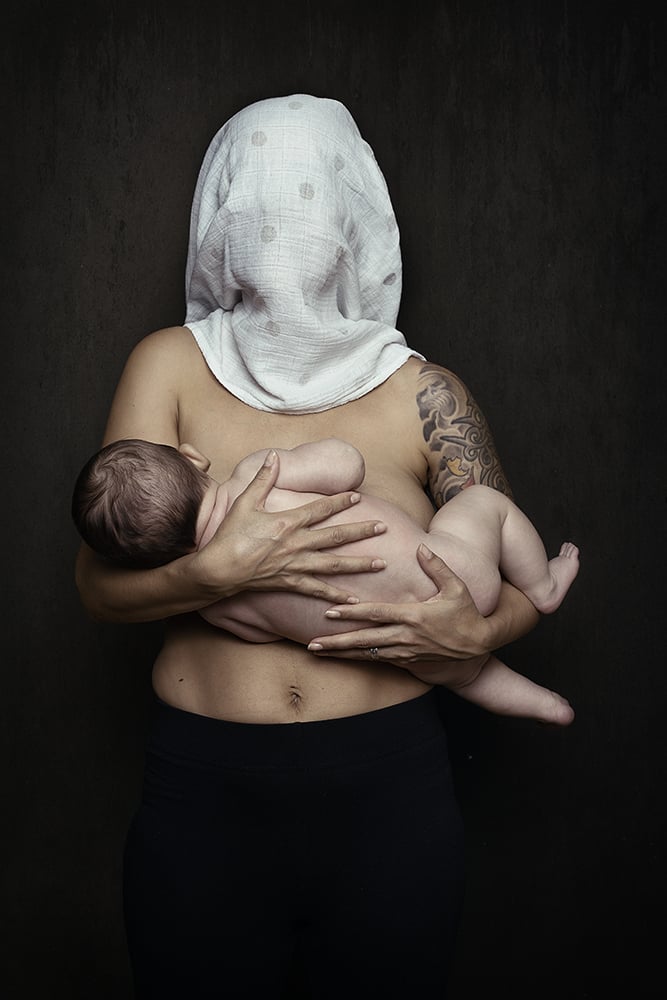
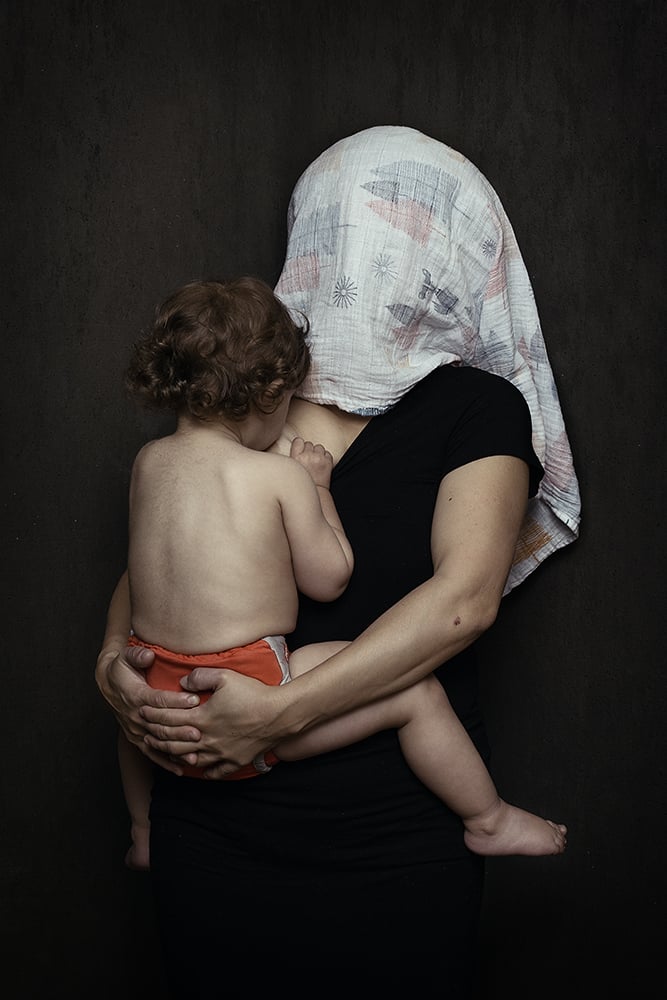
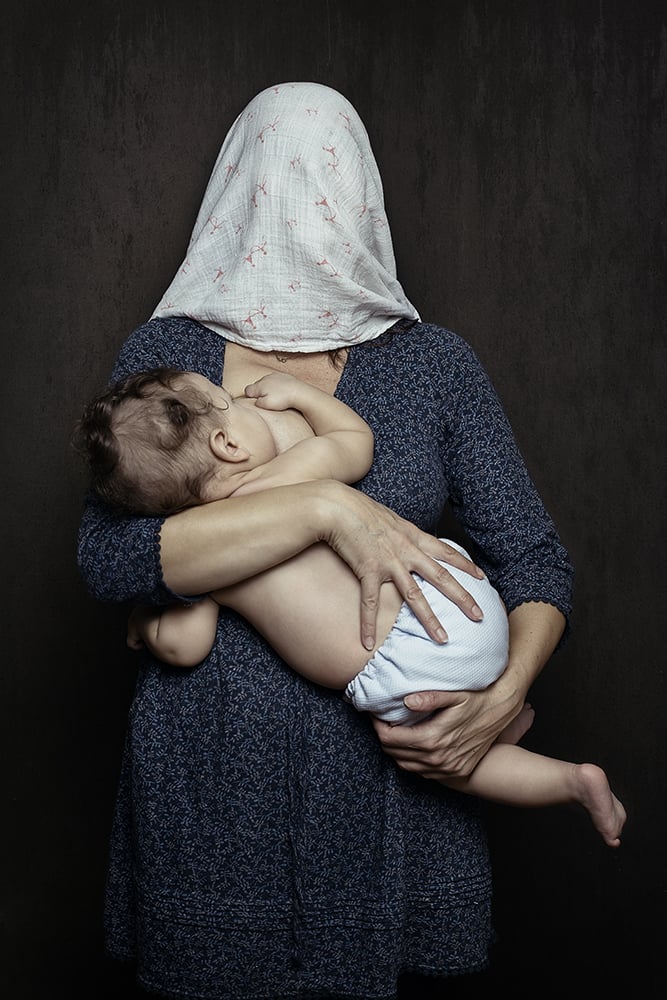
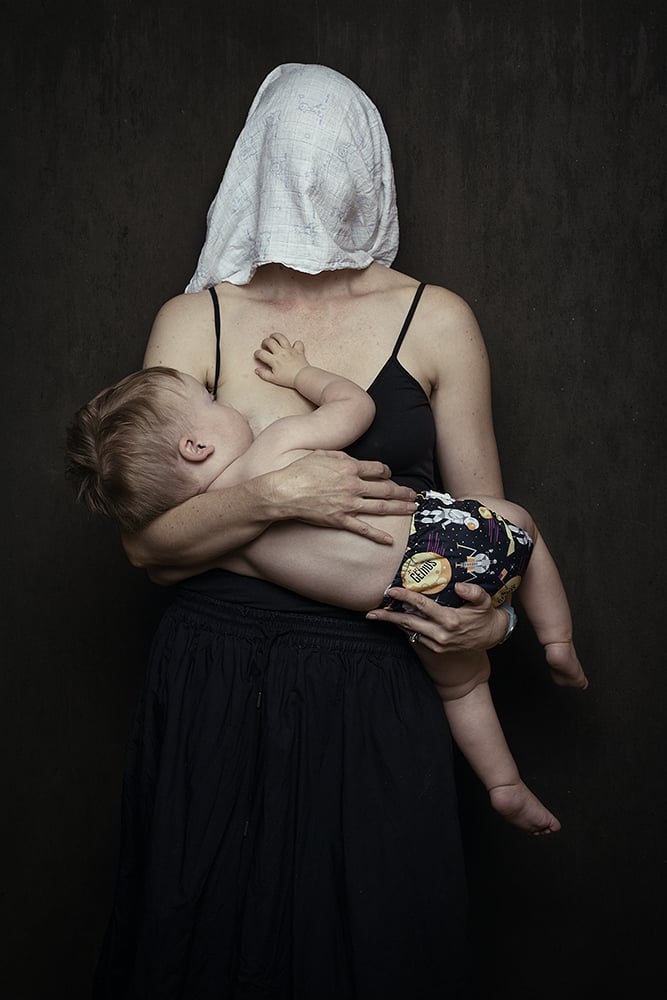
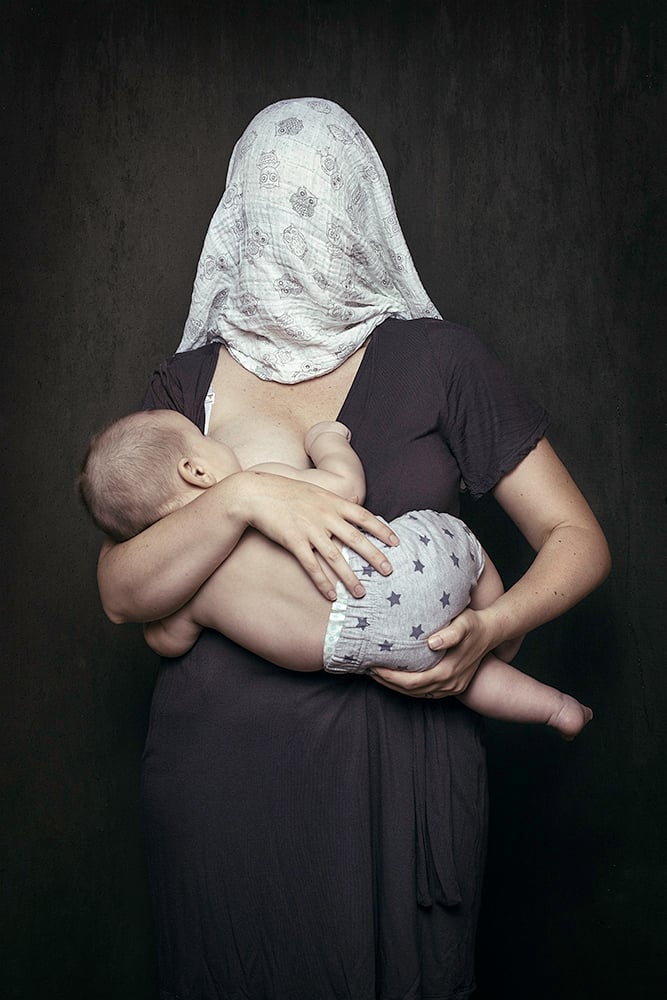
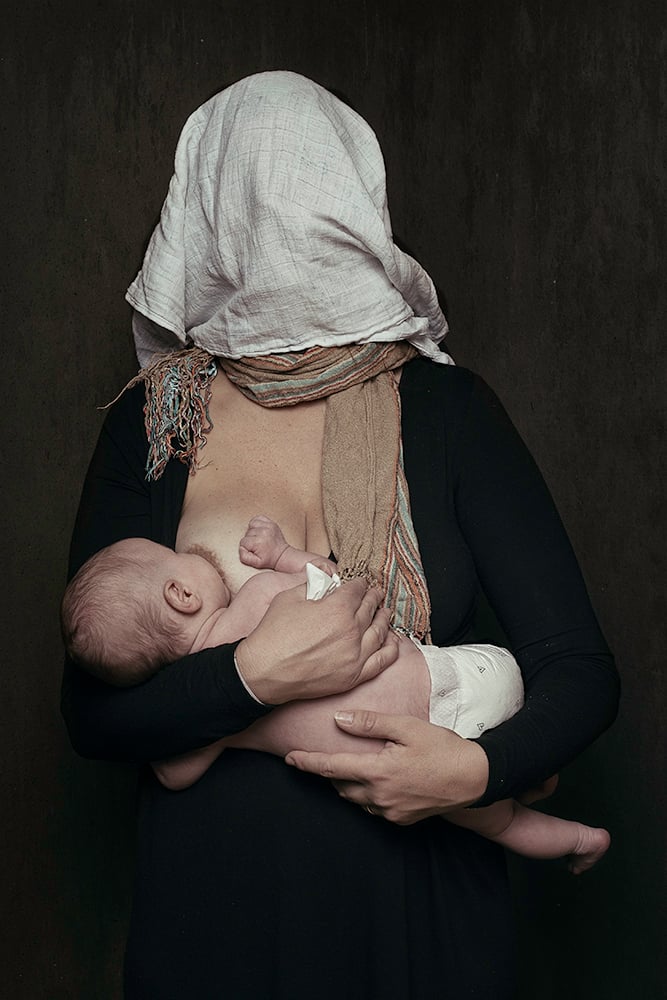
Alex Baker’s project This is Motherhood is a great example of how one can use photography to speak up about things we don’t talk about, yet they’re so important to address. In her project, she explored the invisibility and judgment that mothers experience, particularly regarding feeding their babies.
The idea
Alex told me that the idea first came to her mind when her son was around two months old. “I was processing all the big changes that I’d gone through in a very rapid period of time,” she explains.
“The birth itself was fairly smooth. However, I wasn’t prepared for the challenges of having a newborn and what that meant. My partner seemed to be continuing his life as normal, meanwhile mine had no resemblance to what existed before. This feeling of mourning an old identity and finding your new one as a mother, I think, affects many women, and oftentimes we are isolated in this journey.”
I’m not a mother myself, but my bestie recently became one. Not to mention that most of my friends already are moms since we’re all deep in our 30s. While I haven’t experienced it in my own skin, each and every close friend has told me about how challenging and lonely motherhood can be, no matter how rewarding it also is.
Since having a baby is a full-time job (with overtime. Non-stop overtime), it wasn’t until Alex’s son turned three that she had the energy to actually do the project. “I had encouragement from a women’s art group that I am part of, with the goal of using one or two of the photos to exhibit in a joint project,” she explains. And so it began.
Doing the project
Alex reached out to the community looking for models for her project. Facebook to the rescue: she put out a call to a local mother’s group. She offered to take conventional portraits of moms and their babies in return for their time.
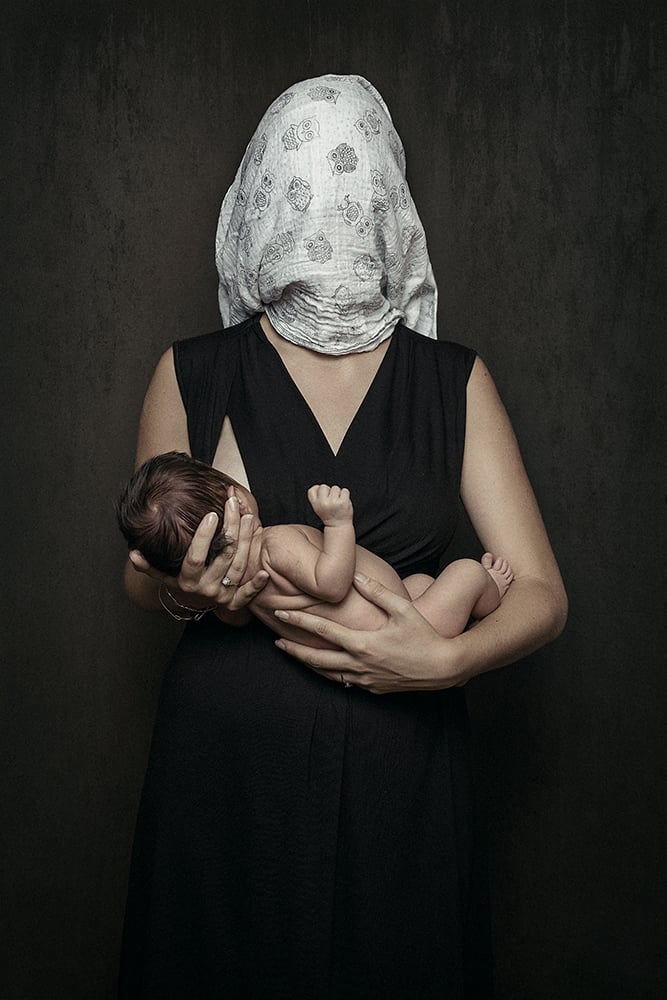
“The first baby I photographed was just 2 weeks old, and I could tell that the mother was struggling a little with her new role in life. We talked a lot, and the idea came about to record a few questions as well as part of the project. After I looked at the back of the camera in the first couple of photos, I could see how powerful these images were.”
In the first week alone, Alex photographed seven women and each shoot was around 30 minutes long. Alex made sure to make the setting comfortable for moms and babies. She created a small studio space in her house and kept notes of the lighting position, power settings, and camera settings. This way, she achieved consistency, and all the photos matched up perfectly despite being shot on different days.
“I used just one strobe in a medium-sized octabox overhead to create what would be butterfly lighting if the faces were visible,” Alex explains. After taking the photos, she would process them all exactly the same in Photoshop. Although, it’s worth noting that the post-processing was minimal.
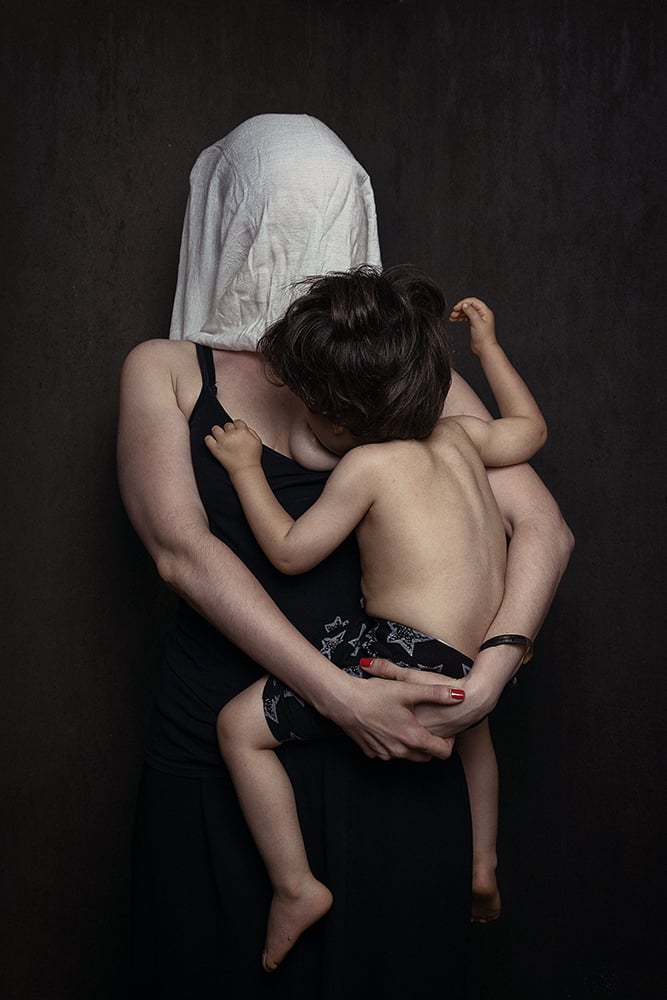
In the end, Alex photographed 18 women in total, and their children, of course. The kids were from the age of two weeks up to three years.
The perfect timing
While it seems that waiting three years for this project was a lot, it actually came at the perfect time. “After the first couple of shoots, there was a major news story about how a woman had been forced to breastfeed her baby in the bathroom on a KLM flight,” Alex tells me. “It seemed like the perfect time to release the first few images.”
“While my project was supposed to be about identity, it morphed into being more about women’s journeys of breastfeeding their babies in public and the expectations put on them by society.
I feel lucky living in Spain that the culture here is relatively open minded, and I never had too many problems. However, some of the things the women revealed were eye opening, and really show just how backwards many parts of the world are still in relation to this subject.”
Alex concludes that this project helped her connect with women from all over the world who happened to be living in the same city as she at the time. “I am grateful to them for sharing their trials and joys of motherhood with me.”
In the end, Alex says that, if you’re still having second thoughts, she wholeheartedly recommends you to embark on a personal project. Even more so if it explores something uncomfortable and deeply personal. “In the end, shooting this project was cathartic in a way that nothing else could have been,” she concludes.
It is such a blessing and privilege to hear about other women’s experiences and turn them into works of art that speak volumes. I’ve only been on this side as a friend, and I couldn’t be more honored to have my friends share their thoughts and doubts with me. Motherhood truly is a huge blessing – but it’s also a huge challenge. I am happy that there are women like Alex and her lovely models who are willing to break the stigma and talk about the hardships as much as the pleasures of being a mother.
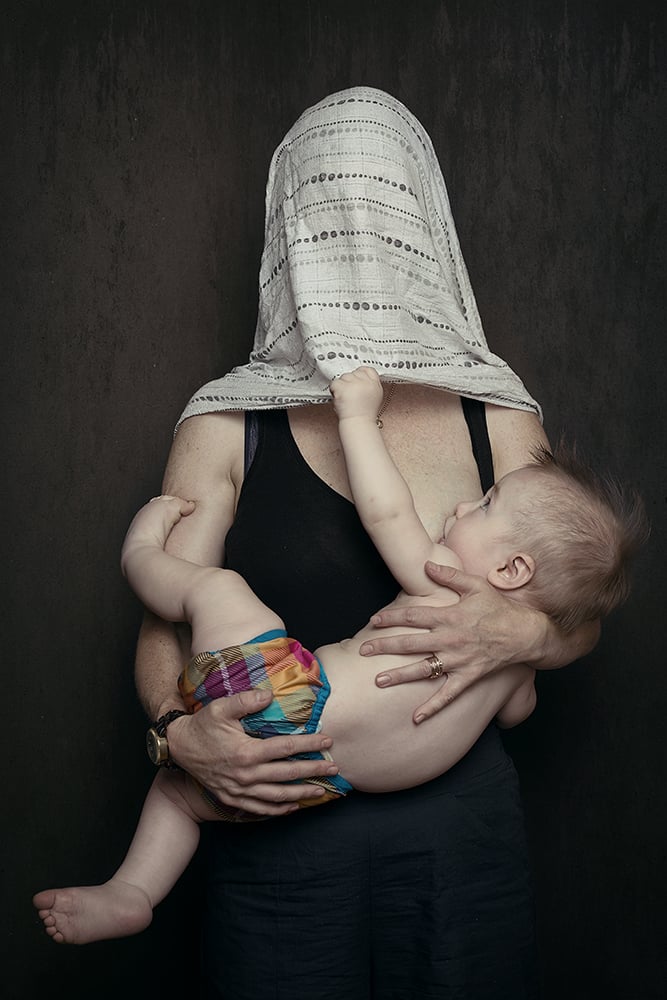
Enjoy more of Alex’s powerful images below and check out her work on her website and Instagram. I’m happy to have her as my colleague and friend here at DIYP, and you can read her articles here.



Dunja Đuđić Kalinin
Dunja Djudjic is a multi-talented artist based in Novi Sad, Serbia. With 15 years of experience as a photographer, she specializes in capturing the beauty of nature, travel, concerts, and fine art. In addition to her photography, Dunja also expresses her creativity through writing, embroidery, and jewelry making.
Related Posts
 Hilarious short film “Breaking social distancing” shows the potential consequences of breaking isolation
 Using photography to break the stigma around men’s mental health issues
 This DIY wooden rig makes your DSLR or mirrorless feel more like a cinema camera
 Fujifilm announces Instax Mini 12, with lens that makes you feel like using a DSLR
Join the Discussion
DIYP Comment Policy
Be nice, be on-topic, no personal information or flames.
3 responses to “Breaking the stigma: Alex Baker’s project “This is Motherhood” makes mothers feel seen”
tl;dnr: Can someone with more patience than me explain in few simple words how female bodies with veiled faces breastfeeding their babies “make mothers feel seen”? Perhaps it’s about a feeling outsiders – especially males – will have difficulties to comprehend. And now let’s imagine for a second, a man would have shot a project with exactly this outcome.
Maybe take the 5 mins to read the article lol? The veils were symbolic: both as an allusion to the invisibility and loss of identity new mothers often feel, and also to the fact that breastfeeding women are sometimes told to go and cover up. The cloths are all nursing/swaddle cloths. As you can see from the photos, aside from a couple of exceptions, there is very little skin visible when breastfeeding a baby or young child, however, some parts of the world act as though it’s almost pornographic.
I am unclear on what your point is that you are trying to make about a man shooting a similar project? Of course, a man could, but he would be lacking that perspective of experiencing these things first hand, and merely be once again promoting that time-worn male gaze and sexualisation of a woman’s body.
The fact that you cannot comprehend the project nor be bothered to read about it does imply that there is a gap in the experiences between men and women, and that attempting to bridge that gap through stories and photography is important.
Did so. *LOL* But thanks for explaining anyway.